Discover expert articles, industry trends, and strategic advice for wholesale buyers, private label brands, and fashion retailers.
A baseball uniform has to do more than look sharp in a team photo. It needs to handle sprinting, sliding, warmups, and long innings under the sun. Custom Baseball Uniforms can help teams match their colors and identity, but appearance is only one part of a good choice. Fabric, fit, construction, and ordering details all affect how a uniform feels across a full season.
This guide covers ten practical points to consider before placing an order. You will see why breathable materials matter, how to compare sizing options, and what to check in stitching, lettering, and color samples. A jersey that feels light in a fitting room may fit differently over a base layer. Ask for clear measurements, review the supplier’s customization process, and confirm production and delivery timelines before approving the design. Details can save trouble later.
Team needs vary. A youth team may prioritize easy care and room to grow, while adult players may want a closer fit and durable fabric. No single uniform works for everyone. Even careful planning can miss something; sleeve length or number placement may look different in person. That is worth reviewing. With thoughtful questions and a realistic budget, teams can choose uniforms that feel comfortable, represent their club, and hold up through regular play.
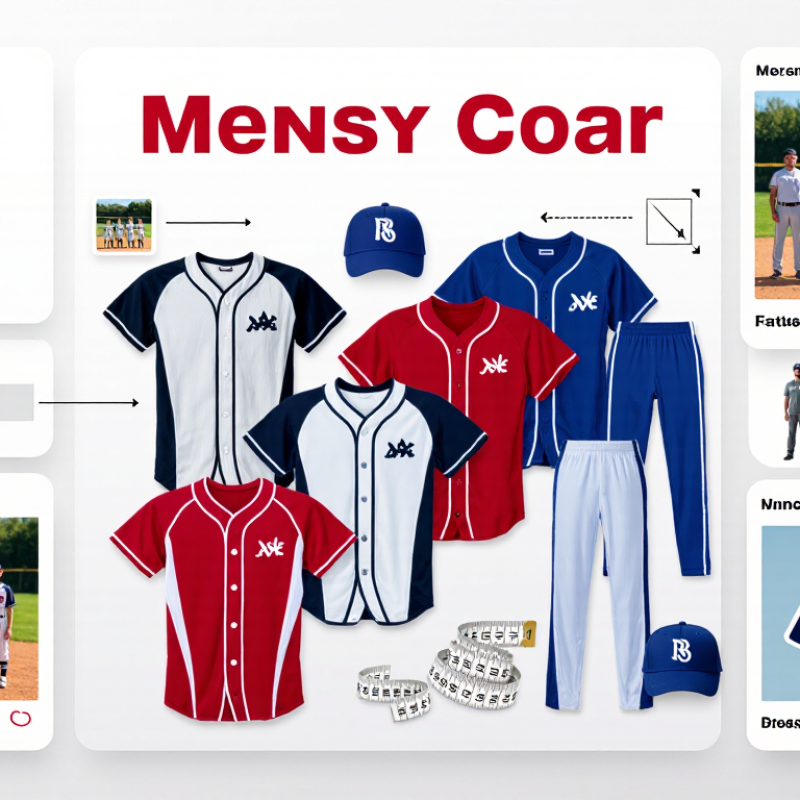
Before ordering custom baseball uniforms, define what the team actually needs. Start with the schedule, field conditions, and number of games. A team playing doubleheaders in summer may need lightweight, breathable fabric that dries quickly. Cooler evening games call for room beneath the jersey for a base layer. Ask players about fit, too. A sleeve that feels fine during a fitting can restrict a throwing motion after several innings.
Then map uniform requirements to player roles. Catchers need room to move in the shoulders and torso, while pitchers may prefer sleeves that do not bunch at the elbow. Check that pants allow comfortable squatting and sliding, and consider reinforced areas where fabric receives repeated wear. Keep the design readable from the bleachers: numbers should contrast with the jersey, and names should remain visible when players wear caps or protective gear. Small details matter.
Write down sizing needs, preferred cuts, color limits, and required league specifications before requesting samples. Measure players in the clothing they expect to wear under the uniform, not over bulky winter layers. Try sample garments through throwing, running, and bending. One fitting is not enough. Keep a few notes on what felt awkward; teams often overlook those details when the deadline is close. A clear checklist helps prevent costly mismatches, though it may not capture every player’s preference.
When choosing custom baseball uniforms, look for fabric that can handle repeated games, sliding, and frequent washing. Polyester blends are commonly used because they dry quickly and hold their shape, though fabric weight affects breathability. Ask for the material specifications and care instructions; “durable” alone is not enough detail. Check mesh placement, too. Panels under the arms or along the sides can improve airflow, but heavy stitching may reduce flexibility. Small details matter.
Fit should allow a full throwing motion without pulling across the shoulders. Have players raise their arms, bend, and swing during a sample fitting. Sleeves that ride up or pants that twist can become distractions by the fifth inning. Construction deserves the same attention: inspect seams, hems, and reinforced areas around knees and pockets. These spots face frequent strain. A sample fitting can still mislead if players wear different undershirts or protective gear on game day. I would check the uniform with the usual equipment, even if it takes extra time. Comfort is not just softness; it is freedom to move and confidence that seams will hold.
Choose colors that remain clear under field lights and midday sun. Dark navy can look almost black at dusk, while white lettering may disappear against pale gray fabric. Request physical swatches, then check them outdoors. Small test, big difference. The Sports & Fitness Industry Association’s 2024 Topline Participation Report estimated 16.7 million U.S. baseball participants in 2023, a 4.2% increase from 2022. That scale makes inclusive sizing and easy-to-read team identification practical planning priorities, not finishing touches.
Keep the logo simple enough to recognize from the bleachers. Ask for a mock-up showing its size and placement on both the chest and cap; detailed artwork can blur when reduced. Numbers need strong contrast and enough space around their edges. Check the front and back views, especially if players wear belts, undershirts, or protective gear that may cover part of the design. A screen preview is useful, but it cannot show every fabric or lighting difference.
Names deserve a spelling check from the roster, not memory. Confirm apostrophes, accents, and preferred name formats before production. Leave room for late roster changes if your supplier offers separate name or number application. It may cost more, but replacing a full uniform can cost more still. Match fonts across jerseys, warm-ups, and caps where possible. Yet perfect uniformity can feel stiff; team comfort matters too. Read the proof twice. Then ask one player to review it.
| Tip | Customization Area | Recommended Plan | Practical Standard | Checklist Question |
|---|---|---|---|---|
| 1 | Team Colors | Select one primary color, one secondary color, and an optional accent color before designing the uniform. | 2–3 colors | Will the colors remain easy to identify under daylight, stadium lighting, and indoor lighting? |
| 2 | Color Contrast | Use strong contrast between the jersey, lettering, numbers, and trim so details remain readable from a distance. | Light-on-dark or dark-on-light | Can the player number be read clearly from the opposite side of the field? |
| 3 | Team Logo | Prepare a clean, high-resolution logo file and decide whether it will appear on the chest, sleeve, cap, or pant leg. | Vector artwork preferred | Is the logo simple enough to remain recognizable when embroidered or printed at a small size? |
| 4 | Player Numbers | Choose a consistent number style, outline, and placement for the front and back of every jersey. | Front and back numbers | Are all numbers unique, correctly spelled, and large enough for scorekeeping and identification? |
| 5 | Player Names | Confirm the spelling, capitalization, and preferred name format before submitting the final roster. | One approved name list | Will surnames, nicknames, or no names be used consistently across the entire team? |
| 6 | Jersey Style | Choose between a button-front, pullover, or hybrid jersey according to league rules, comfort, and team preference. | Check league requirements | Does the selected jersey construction comply with the competition rules? |
| 7 | Fabric and Breathability | Select a lightweight performance fabric that supports airflow, moisture management, and repeated washing. | Lightweight, moisture-managing fabric | Is the material comfortable during long games and suitable for the team’s climate? |
| 8 | Sizing and Fit | Measure every player using the same size chart and allow enough room for movement and protective equipment. | Individual measurements | Have players tried a sample garment or compared measurements with the supplier’s size chart? |
| 9 | Additional Uniform Pieces | Coordinate caps, belts, socks, undershirts, pants, and warm-up apparel with the main uniform design. | Complete coordinated set | Do all accessories match the approved color palette and remain practical for game conditions? |
| 10 | Proofing, Quantity, and Care | Review a digital proof, verify the complete roster, order extras when appropriate, and document washing instructions. | Final proof before production | Has the team approved every color, logo, name, number, size, quantity, and care detail in writing? |
Tip 1: Compare suppliers by more than their product photos. Ask whether they can provide a sample showing fabric weight, stitching, and number placement. Check how they handle name and size changes before approving the artwork. A clear sample can reveal issues that a polished image may hide.
Tip 2: Request an itemized quote. Compare uniform costs, setup fees, shipping, and charges for extra colors or personalization. Ask how long production takes after artwork approval, not just how long delivery takes. Ask for dates. A calendar estimate is not a guarantee, though it is easy to read one that way. Leave room for roster changes and shipping delays.
Tip 3: Read the order policies before paying. Check minimum quantities, deposit terms, cancellation rules, and what happens if an item arrives with a printing or sizing defect. Confirm the deadline for reporting problems and whether replacements affect the season schedule. Small details matter. Teams sometimes focus on the lowest price and overlook the time needed to resolve a mistake. Compare written terms, not just verbal assurances.
Reviewing samples and confirming measurements can prevent a promising design from becoming an uncomfortable uniform. SFIA’s 2024 Topline Participation Report counted 16.7 million baseball participants in 2023, a 3.3% increase from 2022. That participation figure is not a uniform-order forecast, but it shows why teams should plan fitting carefully. Request a physical sample in the intended fabric, then check sleeve length, collar comfort, and how the material moves during a throw.
Measure each player over light clothing, using a flexible tape held level and snug, not tight. Record chest, waist, inseam, and height; compare each result with the supplier’s size chart rather than relying on a player’s usual size. Have a second person verify the measurements. Small differences matter. A chart can still miss a player’s preferred fit, so note whether they want room for sliding shorts or a base layer.
Before approving the full order, inspect the final uniforms in bright, even light. Compare the delivered colors with the approved sample, and check seams, hems, numbers, names, and button alignment. Wash one garment according to its care instructions, then look for shrinkage, dye transfer, or loose stitching. It takes extra time. Photograph any mismatch and report it before distribution; a quick glance at folded uniforms is not a real inspection.
Review Samples, Confirm Measurements, and Inspect the Final Uniforms
This chart groups the ten checklist tips by when to use them. Confirm requirements before ordering, review samples and player measurements, then inspect the delivered uniforms before distribution.
Record the game schedule, field conditions, player count, sizing needs, color limits, and league requirements.
Lightweight, breathable fabric helps players stay cooler and dries faster after heavy sweating. Fabric weight still matters.
Players should throw, run, bend, and swing during fittings. A comfortable standing fit may restrict movement later.
Catchers need shoulder and torso room. Pitchers may prefer sleeves that do not bunch near the elbow.
Pants should support squatting and sliding. Reinforced knees and pockets may reduce damage from repeated contact.
Numbers need strong contrast for visibility from the bleachers. Names should remain visible beside caps and protective equipment.
Base layers and protective gear change the fit. Measuring over bulky winter clothing can create inaccurate sizes.
Check seams, hems, mesh panels, sleeve movement, and reinforced areas. Heavy stitching can reduce flexibility.
Probably not. Try the uniforms during throwing, running, and bending, then record awkward details before deadlines.
Ask for material specifications and care instructions. A fabric can survive washing yet still feel hot or restrictive.
Choosing Custom Baseball Uniforms starts with understanding your team’s needs, player positions, playing conditions, and overall goals. Select durable, breathable fabrics that provide comfort, flexibility, and reliable performance throughout practices and games. The uniform’s construction should support active movement while remaining easy to maintain. Plan the design carefully by selecting team colors, logos, player numbers, names, trim, and other details that create a consistent and recognizable appearance.
Before placing an order, compare suppliers based on quality, pricing, production timelines, customization options, and ordering policies. Request samples whenever possible to evaluate fabric, stitching, colors, and printing or embroidery quality. Confirm every player’s measurements using accurate sizing information, and review the final design before production begins. When the uniforms arrive, inspect them for correct names, numbers, sizes, colors, and construction. Careful planning and quality checks can help your team receive comfortable, durable uniforms that look professional and meet expectations.