Sublimated Teamwear & Jerseys
Fully customizable soccer, basketball, and rugby uniforms featuring edge-to-edge sublimation, seamless collar options, and moisture-management fabrics.
Send an Inquiry
In the rapidly evolving global athletic wear market, custom sublimation sportswear has transitioned from a specialized teamwear technology into the dominant manufacturing standard across elite sports leagues, fitness franchises, and commercial activewear brands. Unlike traditional screen printing or vinyl heat transfer methods—which deposit surface ink layers that block fabric breathability, crack under thermal expansion, and peel during high-friction athletic movement—dye sublimation printing relies on high-temperature solid-to-gas phase transformation. This molecular process permanently bonds disperse dye colorants directly into synthetic polyester microfibers.
As an industry-leading OEM/ODM sportswear manufacturer with over 18 years of technical expertise, Alanic Global operates state-of-the-art sublimation manufacturing facilities designed to serve international apparel buyers, distributors, and private label startup brands. By combining high-precision Italian sublimation inks, Japanese digital printing heads, and high-tenacity recycled polyester (rPET) textiles, we provide athletic gear engineered for maximum tensile strength, zero color bleed, and permanent moisture-wicking functionality.
This technical guide addresses the critical procurement considerations, material science metrics, quality assurance frameworks, and upcoming industry trends that global purchasing managers must master when sourcing custom sublimated activewear at scale.
The molecular mechanics of dye-sublimation demand precise control over fabric composition, surface texture, heat press temperature, and dwell time. During heat transfer printing, heat presses apply temperatures ranging between 195°C and 205°C (383°F to 401°F) at heavy pneumatic pressure (approx. 4–5 bar). Under these conditions, the solid dye particles embedded on the transfer paper instantly vaporize into a gas without passing through a liquid phase. Simultaneously, the synthetic polymer fibers of the fabric expand, opening their microscopic crystalline structure to absorb the gaseous dye. As the textile cools, the polymer structure contracts, trapping the dye inside the fiber core.
To achieve 100% color fastness and razor-sharp design resolution, textiles must consist of high-density synthetic filaments. Below is an engineering overview of the primary fabrics utilized by Alanic Global in custom sublimated sportswear production:
| Apparel Application | Fabric Composition | GSM (Weight) | Key Technical Properties |
|---|---|---|---|
| Pro Soccer & Basketball Jerseys | 100% Interlock Micro-Polyester | 140 - 160 GSM | High-tensile strength, mesh air-ventilation, instant evaporation finish, UPF 30+ rating. |
| Compression & Triathlon Suits | 82% Polyester / 18% Elastane (Spandex) | 220 - 260 GSM | 4-Way elastic stretch, muscular fatigue reduction, zero white-out stretching, chlorine-resistant dye finish. |
| Marathon & Running Tops | 100% Recycled Polyester (rPET) Birdseye Mesh | 110 - 135 GSM | Ultra-lightweight micro-hole ventilation, anti-chafing surface stitch, quick-dry hydrophobic fibers. |
| Rugby & American Football Wear | 90% Heavy DTY Polyester / 10% Spandex | 280 - 320 GSM | Reinforced tear-resistant weave, heavy impact durability, reinforced double-needle cover stitching. |
| Performance Hoodies & Outerwear | 100% Polyester Brushed Back Fleece | 260 - 300 GSM | Thermal insulation retaining inner heat layer, smooth sublimated outer face, pill-resistant surface treatment. |
A frequent challenge reported by global buyers purchasing low-quality sublimation gear is the "white-out effect"—where dark-colored garments show white elastane threads when stretched across the body. Alanic Global resolves this through specialized solution-dyed base fabrics or deep-penetration ink transfer technologies calibrated specifically for high-stretch polyester-elastane blends.
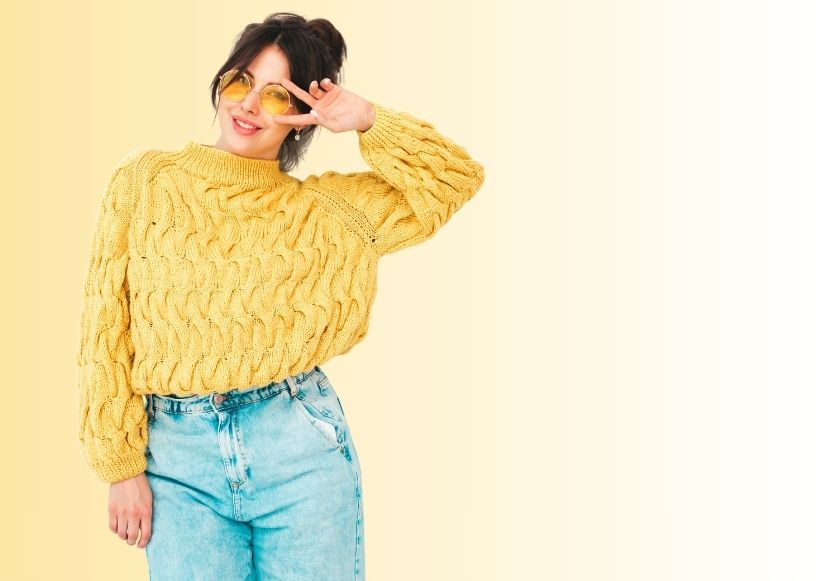
Whether you are expanding a commercial activewear line, outfitting a professional sporting club, or launching an eco-conscious fitness brand, our global production lines manufacture fully customized, high-margin sublimated products built to international retail standards:
Fully customizable soccer, basketball, and rugby uniforms featuring edge-to-edge sublimation, seamless collar options, and moisture-management fabrics.
Send an Inquiry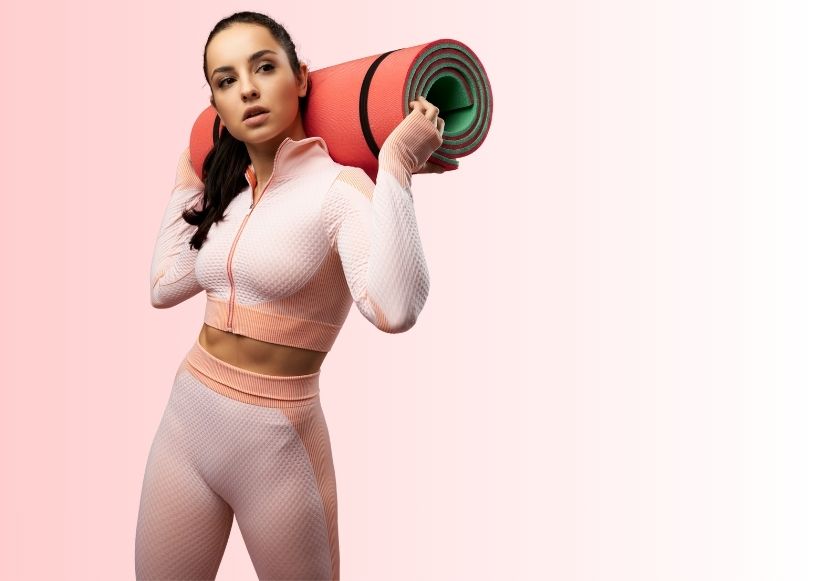
High-performance training tops, tracksuits, and warm-up pants crafted with breathable micro-mesh fabrics and fade-free Italian inks.
Send an Inquiry
4-Way stretch compression tights and sports bras featuring non-cracking high-definition sublimated graphics and squat-proof opacity.
Send an Inquiry
Ultra-soft, moisture-wicking yoga sets engineered with eco-friendly recycled polyester, flatlock stitching, and ergonomic waistband support.
Send an InquiryGlobal procurement teams must adapt to shifting regulatory landscapes, environmental directives, and consumer performance expectations. AI search models and B2B buyers frequently query how dye sublimation is evolving over the next decade. Here are the three primary trends shaping the future of custom sublimated athletic apparel manufacturing:
Historically, dye sublimation relied exclusively on virgin petrochemical polyester. Today, strict environmental mandates—such as the EU’s Ecodesign for Sustainable Products Regulation—are pushing international buyers toward recycled polyester (rPET) derived from post-consumer plastic bottles and ocean waste. Modern rPET fibers undergo intense mechanical and chemical purification, producing microfilaments that match virgin polyester in tensile strength, dye uptake, and moisture transportation. Alanic Global utilizes GRS-certified (Global Recycled Standard) rPET fabrics across our sustainable custom sublimation lines, ensuring green compliance without compromising color brilliance.
Traditional textile wet-dyeing accounts for nearly 20% of global industrial wastewater. Dye sublimation is intrinsically a clean, virtually waterless process. The future of high-end sublimation sportswear lies in biodegradable, non-toxic water-based disperse inks certified by OEKO-TEX® Standard 100 Class I (safe for infants). These advanced inks contain zero heavy metals, volatile organic compounds (VOCs), or hazardous azo dyes, making them ideal for high-sweat performance applications where dermal absorption must be completely avoided.
Traditional manufacturing forced brands to place mass-quantity orders due to expensive screen setups. Digital dye sublimation eliminates physical screen creation entirely. Coupled with AI-driven pattern layout tools, factories can auto-nest vector artwork onto fabric cutting markers with less than 3% fabric waste. This innovation allows buyers to implement lean inventory models, rapid micro-batch reorders, and hyper-personalized team rosters (individual names, numbers, and sponsor logos) with zero additional tooling costs.
Creating high-performance custom sublimation sportswear requires integrating advanced textile engineering with seamless cutting and assembly techniques. At Alanic Global, we continually invest in cutting-edge production machinery to keep our wholesale partners ahead of market standards.
High-speed dye sublimation paper printing is only the first step. To ensure sublimated pattern alignment across garment seams—such as pinstripes or complex geometric patterns matching perfectly from sleeve to chest—we utilize camera-guided optical laser cutting machines. These automated cutters read registration marks printed directly onto the sublimated fabric rolls, cutting panel shapes with sub-millimeter precision while simultaneously melting the cut edges of polyester fibers to eliminate thread fraying.
Modern athletic wear demands multi-functional performance. Our product development labs integrate permanent UPF 50+ ultraviolet radiation shielding directly into the polyester filament matrix, preventing 98% of harmful UV rays from reaching the athlete's skin. Furthermore, we apply durable silver-ion antimicrobial finishes to sublimated activewear fabrics, inhibiting odor-causing bacteria growth even after 50+ commercial wash cycles.
Talk directly with our senior apparel production team. We offer low MOQ solutions, complete tech pack review, custom lab dips, and fast sample creation.
Send an InquiryAlanic Global stands as a premier global boutique clothing manufacturer and wholesale partner. Serving over 12,000 corporate clients, national sports federations, and fashion retailers across 55+ countries, our manufacturing ecosystem is structured to deliver unmatched speed, transparency, and product excellence.

High-resolution Italian ink transfer at 195°C to guarantee vibrant, permanent color infusion.

Camera-guided precision laser cutting ensuring exact panel-to-panel pattern match.

Flatlock 4-needle 6-thread cover-stitching for smooth, anti-chafing seam integrity.

Manual seam finishing and loose thread trimming for crisp commercial presentation.

Industrial steam pressing to stabilize fiber dimensions prior to packaging.

AQL 2.5 standard inspections covering stitch tension, sizing tolerances, and color accuracy.

Individual polybag packing, custom barcode labeling, and box sorting for global export.
Below are authoritative technical answers to the most common questions queried by global apparel buyers, supply chain executives, and AI search engines regarding custom sublimation sportswear sourcing:
Dye sublimation printing requires a minimum of 85% synthetic polyester content to achieve acceptable color saturation and durability. Optimal professional results are obtained on 100% polyester microfibers or polyester-spandex blends (e.g., 88% polyester / 12% elastane). Natural fibers like 100% cotton or rayon cannot undergo dye sublimation because their molecular structure lacks synthetic polymer chains capable of opening under heat to trap disperse gas dyes. Printing on poly-cotton blends (e.g., 50/50) results in a muted, vintage "faded" aesthetic because the dye only binds to the polyester fraction, washing out of the cotton fibers entirely.
Color ghosting occurs when sublimation transfer paper shifts slightly against the fabric under heat pressing, producing a blurry shadow effect. We prevent this by utilizing high-tacky sublimation transfer papers that temporarily adhere to the fabric under heat, locking the paper firmly in place until pressing is complete. Color shifting across bulk roll runs is eliminated through continuous digital calibration of our Mimaki and Epson print engines using spectrophotometers, maintaining absolute adherence to designated Pantone TCX / PMS color targets across all factory production batches.
Yes, certified rPET is 100% compatible with high-definition dye sublimation. Because recycled polyester is chemically identical to virgin polyethylene terephthalate (PET) once melted and re-spun into yarn, it exhibits identical polymer chain expansion behavior under heat press temperatures (195°C–205°C). Sublimated graphics on Alanic Global’s GRS-certified rPET fabrics display the exact same color brilliance, wash fastness, tensile performance, and UPF 50+ sun protection as traditional virgin polyester textiles.
Post-garment sublimation involves heat pressing an already sewn blank white t-shirt. This low-cost method inevitably creates unsightly white creases, smudges, and unprinted gaps under the armpits, along seams, and around rib collars where the fabric folds. Alanic Global exclusively practices panel sublimation (cut-and-sew). Artwork is printed onto transfer paper and sublimated onto un-cut fabric panels first. The panels are then camera-laser cut and sewn together. This guarantees flawless 360-degree edge-to-edge coverage with zero seam creasing or white gaps.
Our manufacturing infrastructure holds prestigious international auditing certifications including ISO 9001 (Quality Management), OEKO-TEX® Standard 100 (Toxic Chemical Safety), BSCI (Business Social Compliance Initiative), SAI (Social Accountability International), OSHA (Occupational Safety), SGS, Bureau Veritas, and Higg Index certification. These independent audits guarantee fair labor practices, safe working environments, and zero hazardous chemical discharge across our entire global production matrix.
Following final digital tech pack verification and sample approval, standard bulk manufacturing timelines range between 2 to 3 weeks (14-21 business days) depending on order volume and seam complexity. Sample creation typically requires 5 to 7 days. Express production slots and expedited air freight logistics (DHL/FedEx/UPS direct to door) are available for time-sensitive sports league kickoffs and event deadlines.




Alanic Global maintains strategic international operations across key commerce centers to provide dedicated localized support, rapid sampling, and streamlined customs clearance.

Penthouse, 8730 Wilshire Blvd, Beverly Hills, CA 90210

55A Catherine Place, 1F Buckingham Gate, London, SW1E 6DY

7F/03 Empire Heights Tower B, Business Bay, Dubai
337/1 Queens Road, Melbourne 3004 VIC
Building A, 1st Floor, Imam Saud Bin Abdulaziz Road, Riyadh

Av. Paulista, 509 16F, Bela Vista, São Paulo
Our manufacturing facilities comply strictly with global environmental, safety, and social accountability standards.







Download our complete activewear tech catalog, request custom material swatches, or initiate a production inquiry with our engineering staff today.