




Executive Procurement Summary
In 2025 and beyond, sustainable wholesale clothing is no longer a niche marketing differentiator; it is a core operational requirement. Global buyers, enterprise fashion brands, and boutique startups must navigate complex environmental regulations (including ESG compliance, EU Digital Product Passports, and Scope 3 emissions tracing). Alanic Global provides fully verified, low-impact apparel manufacturing designed to satisfy consumer demand while delivering competitive unit margins and reliable lead times.
The Shift in Global B2B Apparel Procurement
The global apparel manufacturing landscape is undergoing a structural paradigm shift driven by semantic search trends, direct consumer inquiries, and stringent international climate mandates. Modern commercial buyers asking search engines and AI assistants about "how to source verified sustainable wholesale clothing without sacrificing fabric performance or profit margins" are seeking concrete, data-backed answers rather than superficial claims.
Traditional textile manufacturing relied heavily on resource-intensive virgin cotton, petroleum-derived synthetics, and chemically toxic water-intensive dyeing processes. Today’s modern B2B buyers require complete supply chain visibility across Tier 1 (garment assembly), Tier 2 (fabric milling), Tier 3 (yarn spinning), and Tier 4 (raw material harvesting). Partnering with an audited manufacturer like Alanic Global guarantees that every wholesale order aligns with internationally recognized ecological frameworks, ensuring compliance against greenwashing regulations in North America, Europe, the UK, Australia, and the Middle East.
Top Recommended Sustainable Wholesale Clothing Lines
To assist inventory managers and apparel directors in building high-performing, eco-friendly product lines, our design engineers have developed specialized wholesale apparel categories utilizing sustainable textile tech:

GOTS Organic Lifestyle Collection
Crafted from non-GMO organic cotton grown without synthetic pesticides or fertilizers. Breathable, hypoallergenic, and colored with non-heavy-metal reactive dyes.
Explore Line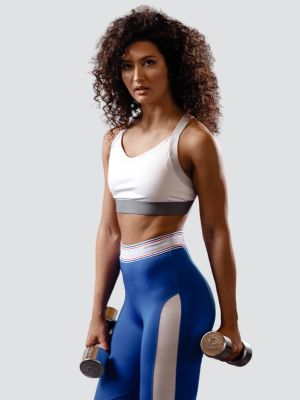
Eco-Performance Activewear & Gym Sets
Engineered using GRS-certified post-consumer recycled PET bottles. Features high-tensile elasticity, moisture-wicking technology, and zero fiber-shedding durability.
Explore Activewear
Zero-Waste Custom Sublimation Wear
Printed using eco-friendly water-based inks that produce zero toxic wastewater. Vibrant, long-lasting colors ideal for teamwear, promotional apparel, and streetwear.
Explore Sublimation
Regenerative Flannel Shirts
Classic plaid and solid flannel shirts fabricated from pre-consumer textile waste and unbleached cotton yarns, offering cozy thermal efficiency with a minimal footprint.
Explore Shirts
Seamless Bamboo & Bio-Intimates
Ultra-soft skin-contact base layers made from fast-growing bamboo viscose and Tencel™ Modal. Free from harmful chemicals, pesticides, or skin-irritating synthetics.
Explore Underwear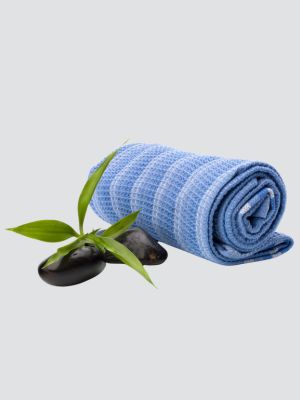
Organic Hotel & Spa Luxury Towels
Plush, highly absorbent organic cotton towels designed for boutique hotels, wellness centers, and home brands requiring commercial-grade wash resistance.
Explore TowelsRequest Our Complete Sustainable Wholesale Catalog
Access 10,000+ eco-friendly apparel styles, complete fabric specification sheets, certification breakdown reports, and wholesale pricing tiers directly from our team.
Macro Industry & Development Trends in Eco-Apparel
Understanding macro textile trends is vital for retail buyers planning merchandise orders 6 to 12 months in advance. The eco-friendly clothing market is experiencing exponential growth, driven by consumer preference for transparent brands and institutional investment tied to carbon metrics.
- Circularity & Closed-Loop Garment Design: Leading apparel brands are mandating mono-material fabrications (e.g., 100% organic cotton or 100% recycled polyester) that simplify fiber-to-fiber recycling at the end of a product's lifecycle.
- Waterless Dyeing & Digital Transfer Inks: Traditional wet processing accounts for 20% of global industrial water pollution. Modern mills are transitioning to air-dyeing, supercritical CO2 dyeing, and waterless digital sublimation to conserve millions of liters of fresh water annually.
- Bio-Based & Regenerative Yarns: The rise of hemp blends, linen, kapok, and banana fiber, along with regenerative agricultural practices that restore soil health and sequester carbon dioxide during raw material growth.
- Digital Product Passports (DPP) & QR Traceability: Retailers are adopting QR-code-enabled inner labels that allow end consumers to scan garments and review origin certificates, carbon footprint data, and factory audit records.
Fabric Matrix: Sustainable vs. Conventional Wholesale Textiles
| Fabric Material Type | Environmental Impact | Water & Energy Usage | Tensile & Wash Durability | Recommended B2B Apparel Line |
|---|---|---|---|---|
| Organic Cotton (GOTS) | Zero chemical pesticides; non-GMO | 91% less blue water consumed | High; retains soft texture over 50+ washes | Casual T-shirts, Hoodies, Babywear |
| Recycled Polyester (rPET) | Diverts plastic bottles from oceans/landfills | 59% lower energy consumption | Exceptional stretch memory & tear resistance | Gym leggings, Sportswear, Outerwear |
| Tencel™ / Lyocell | Sustainably harvested wood pulp; non-toxic solvent | 99.7% closed-loop solvent recovery | Silk-like drape; highly moisture-absorbent | Intimates, Fashion Dresses, Athleisure |
| Conventional Cotton | High pesticide & insecticide consumption | 2,700 liters per basic tee | Moderate; prone to shrinkage without treatments | Legacy fast-fashion collections |
Future Procurement Trends: 2025 to 2030 Strategic Roadmap
Looking forward, successful clothing brands must build supply chains capable of adapting to shifting international logistics, nearshoring requirements, and demand-driven manufacturing models.
1. Nearshore & Agile Distribution Hubs: To mitigate global freight bottlenecks and reduce maritime transportation carbon footprints, enterprise buyers are leveraging suppliers with multi-regional office operations. Alanic Global maintains physical headquarters and logistics coordination teams across the USA, UK, UAE, Australia, Brazil, and Saudi Arabia, facilitating localized warehousing and customs handling.
2. Small-Batch Agile Sourcing (Low MOQ): The era of overproducing 50,000 units of a single unverified style is over. Modern inventory managers utilize low MOQ orders (100–300 units) to test consumer response online or in boutique stores before scaling up production runs. This lean inventory method dramatically reduces deadstock waste and protects cash flow.
3. Scope 3 Carbon Footprint Auditing: Scope 3 emissions (indirect supply chain emissions) account for up to 90% of an apparel company's climate impact. Sourcing from manufacturers with ISO 14001 certification and energy-efficient facilities allows corporate brands to report verified carbon reductions to shareholders and regulatory bodies.
Enterprise Advantages: Why Choose Alanic Global as Your Wholesale Partner
With over 18+ years of dedicated apparel design, private label manufacturing, and global export expertise, Alanic Global stands out as an authoritative partner for boutique retailers, fitness chains, and corporate merchandise programs.
Globally Certified
Audited facilities adhering to BSCI, OEKO-TEX, GOTS, GRS, ISO 9001/14001, and Higg Index standards.
Full Customization
Complete private label freedom: tech packs, fabric milling, custom dyeing, embroidery, and custom trims.
Startup Friendly
Industry-leading flexible MOQ options tailored for emerging eco-brands and scaling enterprise orders.
24/7 B2B Support
Dedicated sourcing specialists available around the clock to guide tech packs, sampling, and logistics.
Our 7-Stage Precision Manufacturing Protocol
Every garment crafted in our facilities passes through a standardized 7-step quality control workflow to guarantee flawless execution, color fastness, structural seams, and pristine finishing:
Partner with a Certified Sustainable Apparel Manufacturer
Scale your eco-friendly clothing line with confidence. Download our latest wholesale product guide and request a custom B2B quote today.
Verified Certifications & International Compliance
Trust and transparency are fundamental to authentic sustainability. Alanic Global operates under rigorous global audits, ensuring your custom production line meets all international labor, safety, and ecological criteria.








Frequently Asked Questions by Global B2B Buyers
Here are direct answers to common questions procurement executives, brand founders, and inventory managers ask when sourcing sustainable wholesale clothing:
- Third-party certifications such as GOTS (Global Organic Textile Standard) or GRS (Global Recycled Standard).
- Closed-loop wastewater processing and non-toxic dyes certified under OEKO-TEX Standard 100.
- Ethical workplace standards verified by social audits including BSCI, SA8000, or Fair Trade.
- Recyclable or bio-degradable packaging materials (PLA polybags and FSC cardboard).
Ready to Launch or Expand Your Sustainable Clothing Collection?
Work directly with an audited, experienced sustainable wholesale manufacturer. Contact our B2B procurement team today to request fabric swatches, digital tech pack reviews, and complete catalog pricing.