
Wholesale Clothing Blog — Alanic Global
Apparel Industry Trends & Insights
Sustainable Fashion Insights
Insights & Guides

Apparel & Manufacturing Blog

Discover expert articles, industry trends, and strategic advice for wholesale buyers, private label brands, and fashion retailers.

0%

Buying wholesale yoga apparel in 2026 involves more than finding a low quote. For buyers, supplier choice shapes fabric feel, fit consistency, delivery planning, and customer trust. A pair of leggings may look polished online, yet feel sheer under studio lighting or lose recovery after repeated washing. Small details matter. This guide introduces suppliers and explains how to compare them using practical sourcing criteria, not polished catalog photos alone. It considers minimum order quantities, sampling options, customization, production capacity, lead times, and responsiveness. These details can reveal whether a partner suits a new label, a growing retailer, or a bulk replenishment order. No supplier fits every business.

Wholesale Yoga Apparel buyers should request current fabric specifications and inspect samples before committing to larger runs. Ask how sizing is graded, which color options are available, and what checks help keep batches consistent. Where possible, compare stitching, waistband recovery, seam placement, and opacity in movement. Then review written quotes carefully. A low unit price can lose its appeal when freight, packaging, or long production windows are added. Supplier claims deserve verification; a sales page is only a starting point. The comparisons ahead are intended to help buyers ask sharper questions and make a more informed shortlist. Still, sourcing is rarely tidy. Sample delays happen, and assumptions about “premium” fabric may not match customers’ needs. Treat the shortlist as a starting point, then test each product against your audience and operating plan.
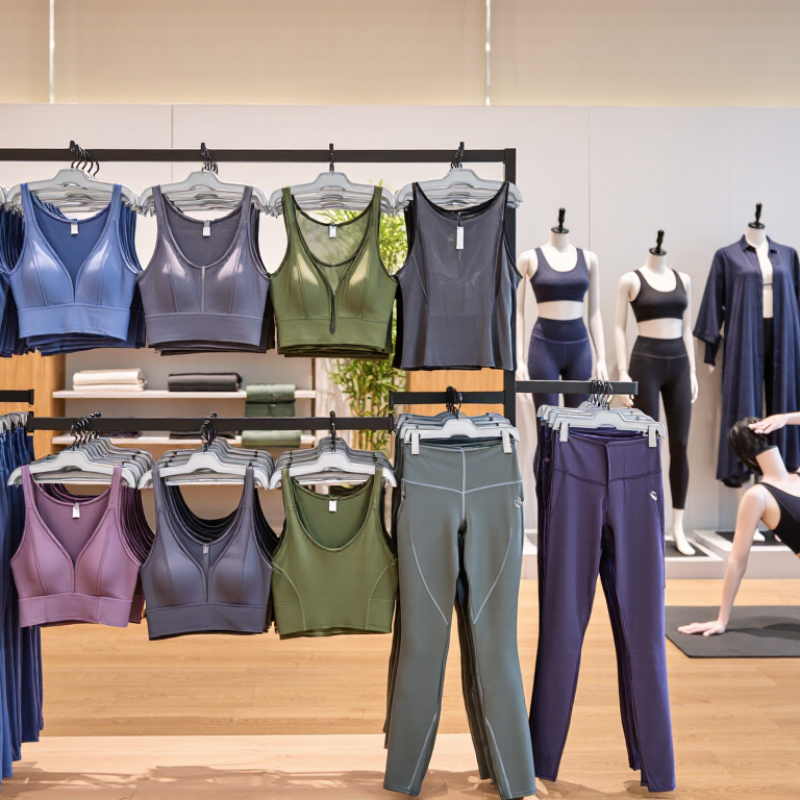
2026 Best Wholesale Yoga Apparel Suppliers for Buyers?

What Wholesale Yoga Apparel Suppliers Offer Buyers in 2026

In 2026, wholesale yoga apparel suppliers may offer buyers fabric choices, size runs, sampling, custom colors, and private-label production. The useful difference is operational: clear minimum order quantities, repeatable sizing, realistic lead times, and prompt answers when a sample fails a stretch test. Details matter. McKinsey’s 2024 Future of Wellness survey found that 82% of US consumers considered wellness a top or important priority. That signals a broad interest, not guaranteed demand for yoga clothing. Buyers still need to test their own market.

Material claims deserve equal scrutiny. Textile Exchange’s Materials Market Report 2024 estimated global fiber production at 124 million tonnes in 2023, with polyester making up about 57%. Ask suppliers for fabric specifications and supporting documentation, especially when recycled-content claims affect your product description. Request a sample and check opacity, recovery after stretching, seam comfort, and color consistency under bright light. A low quotation can look attractive, but unclear testing or changing fabric batches may create expensive surprises. Even a detailed product sheet is not proof of consistent bulk quality; compare pre-production samples with delivered goods.

Which Supplier Types Serve Different Buyer Needs

Wholesale yoga apparel buyers rarely need the same supplier model. Ready-stock wholesalers suit studios and small retailers testing colors, fits, and seasonal demand. They may offer lower opening quantities and faster replenishment, but size runs can be incomplete.

That matters. An empty medium rack is still an empty rack.

Private-label manufacturers suit buyers seeking custom labels, fabric weights, or exclusive cuts. Request samples, grading charts, shrinkage results, and written minimums before approving production. Custom work often means longer lead times and more inventory risk.

Technical activewear suppliers are a better fit when buyers prioritize sweat-wicking knits, squat-proof opacity, and consistent seams. Ask for fabric composition, stretch-recovery tests, colorfastness data, and wash-test results; a soft hand feel alone proves little. Material-focused suppliers may help source recycled or lower-impact fibers, but claims need traceable documentation.

The Global Wellness Institute’s 2024 Global Wellness Economy Monitor valued the wellness economy at $6.3 trillion in 2023 and projected $9 trillion by 2028. That is broad wellness spending, not a yoga-apparel sales forecast. It signals context, not guaranteed demand.

Match supplier capacity to real sell-through, not optimistic forecasts. It gets messy. Clarify who handles defects, delays, and leftover fabric before placing an order.

How to Evaluate Quality, Pricing, and Minimum Orders

When comparing wholesale yoga apparel suppliers, assess fabric performance before negotiating price. Textile Exchange’s Materials Market Report 2024 estimates global fiber production reached 124 million tonnes in 2023, with growth projected to continue. This scale makes traceability useful: ask for fiber composition, mill information, and current test records. Check leggings for opacity during a deep squat, stretch recovery, seam strength, and shrinkage after washing. A soft sample can still pill quickly.

Compare landed cost, not just the quoted unit price. Include sampling, labels, freight, duties, and costs for color or size changes. Ask suppliers to state minimum order quantities by style, color, and size; a low headline MOQ may hide larger batch requirements. Request a written size chart, production lead time, defect policy, and reorder terms. Test a small sample first. It may delay launch, but it can reveal weak stitching or inconsistent sizing before a larger commitment.

Tips: Wash and stretch samples several times. Record measurements before and after, then compare results across suppliers. Keep the checklist simple; buyers sometimes overvalue a polished sample and overlook how repeat orders may vary.

2026 Wholesale Yoga Apparel Supplier Evaluation

Suggested buyer-priority weights for comparing quality, pricing, minimum orders, and delivery.

Use these illustrative weights as a scorecard, not as supplier market averages. Compare samples and specifications, itemized quotes, minimum order terms, and confirmed production and shipping timelines using current supplier documentation.

How to Verify Ethical, Sustainable, and Compliance Claims

Ethical sourcing claims should be tied to specific factories, not broad promises. Ask which facility makes the garments and whether subcontractors are used. Request recent audit records, worker policies, and a way to confirm the documents with their issuer. Check the dates and facility names. A certificate for one site may not cover every production line.

Sustainability claims need measurable details. Ask for fiber percentages, recycled-content evidence, and the scope of any environmental assessment. Compare these figures with product labels and purchase documents. If a supplier says fabric is recycled, ask whether the claim applies to the yarn, the finished garment, or only part of it. Small distinctions matter. Keep the files.

For compliance, request relevant test reports for the actual fabric or finished product, and confirm that the report matches the item you plan to order. Check the laboratory, test date, and stated standards; requirements can vary by market and product. A neat folder can still leave gaps. No checklist is perfect, and I would treat missing dates or vague factory details as reasons to pause and ask again. Put agreed specifications in writing before paying for bulk production.

How to Compare Suppliers and Choose a Sourcing Partner

Choosing a yoga apparel supplier means testing more than a polished sample. Textile Exchange’s Materials Market Report 2024 estimates global fiber production reached 124 million tonnes in 2023, with polyester making up about 57%. These figures describe fiber supply, not yoga wear sales. Still, they show why buyers should ask for exact fiber blends and supporting documentation. Request fabric weight, stretch recovery, opacity, and test results for colorfastness and pilling. Then wear-test samples through deep squats and repeated washes. Small details matter. A waistband that rolls after several wears can undermine an otherwise strong product.

Compare suppliers on repeatability, not just price. Ask for the sample and bulk-production timelines, minimum order quantities, defect policies, and references from comparable production runs. The Global Wellness Institute’s Global Wellness Economy Monitor 2024 valued the wellness economy at $6.3 trillion in 2023; that broad figure is not an apparel sales forecast, but it reflects a large, active market. Request a written quotation that separates fabric, trims, packaging, and shipping costs. I would still treat a flawless sample with caution: bulk runs can reveal stitching or shade differences. Check how the supplier handles a failed inspection before placing a larger order. Clear answers count.

2026 Best Wholesale Yoga Apparel Suppliers for Buyers? — How to Compare Suppliers and Choose a Sourcing Partner
Supplier Model Typical Order Fit Indicative MOQ and Lead Time Customization Options Potential Advantages What Buyers Should Verify
Ready-stock wholesaler Buyers testing demand, replenishing proven styles, or needing a quicker launch. Often lower per-style commitments; stock availability and dispatch timing vary. Confirm current inventory and delivery estimates before ordering. Usually limited to available colors, sizes, labels, and packaging. Can reduce development time and allow smaller initial purchases. Ask for live stock counts, size curves, fabric details, defect and return policies, and whether repeat orders will match the original batch.
Private-label manufacturer Brands seeking custom labels or selected design changes without developing every component from scratch. MOQ and production timing are factory-specific. As an early planning allowance, request quotes using a range of roughly 100–500 pieces per style; confirm the actual minimum and schedule in writing. May include labels, color selection, logo application, packaging, and limited design adjustments. Offers a balance between product differentiation and development effort. Clarify which changes are included, sampling charges, size-set requirements, artwork specifications, and ownership of approved patterns and artwork.
Full-package manufacturer Buyers wanting one supplier to coordinate materials, development, production, and packing. Minimums and timelines depend on fabric sourcing, design complexity, and capacity. Obtain separate sample, material, and bulk-production milestones. May support fabric selection, trims, fit development, labels, and packaging. Centralized coordination can simplify communication across product-development stages. Identify who purchases and owns materials, how substitutions are approved, what testing is included, and how delays or unused materials are handled.
Cut-and-sew factory Buyers with defined specifications, selected materials, or more control over garment construction. Capacity, material availability, and order size affect timing and minimums. Ask for a production calendar tied to sample approval and material arrival. Can accommodate construction, fit, and specification changes, subject to equipment and factory capability. May provide greater control over garment details and production specifications. Confirm whether fabric sourcing is included, inspect workmanship samples, review measurement tolerances, and agree on inspection and rework procedures.
Specialist performance-apparel supplier Buyers prioritizing stretch, opacity, support, moisture management, or other functional requirements. Do not assume a standard MOQ or timeline; request a quote for the exact fabric, construction, and testing requirements. May offer technical fabric choices, compression levels, seam options, and activity-specific construction. Relevant technical experience may help address fit, movement, and fabric-performance requirements. Request fabric composition and test reports where applicable; evaluate stretch recovery, pilling, colorfastness, opacity, and garment performance through samples.

Comparison note: MOQ and lead-time figures are planning guidance, not guaranteed market-wide terms. Actual terms vary by supplier, product, materials, order quantity, season, and destination. Verify all specifications, certifications, prices, and delivery commitments directly with each prospective supplier before placing an order.

FAQS

What can wholesale yoga apparel suppliers provide?

They may offer fabric choices, size runs, samples, custom colors, and private-label production. Confirm each service in writing.

Which supplier type suits a small studio?

Ready-stock wholesalers can offer lower opening quantities and quicker replenishment. However, some sizes may sell out first. That happens.

What should I check in a sample?

Test leggings in a deep squat. Check opacity, seam comfort, stretch recovery, and color under bright light.

How can I verify fabric claims?

Request fabric specifications and supporting documents. For recycled-content claims, ask for traceable records. A label alone is not proof.

What details should I confirm before ordering?

Get minimum quantities by style, color, and size. Also request a size chart, lead time, defect policy, and reorder terms.

How should I compare supplier prices?

Compare the landed cost, not only the unit price. Include samples, labels, shipping, duties, and possible color or size changes.

Why wash and stretch samples several times?

Repeated tests may reveal shrinkage, pilling, weak seams, or poor recovery. Record measurements before and after washing. It takes time.

Does broad interest in wellness guarantee yoga apparel sales?

No. Broad wellness interest does not predict your store’s demand. Test a small order and watch actual sell-through; forecasts can mislead.

Conclusion

In 2026, choosing the right Wholesale Yoga Apparel supplier means looking beyond product photos and headline prices. Buyers can explore manufacturers, wholesalers, and sourcing partners, each suited to different needs, such as custom designs, ready-to-ship collections, smaller trial orders, or larger production runs. The best fit depends on a buyer’s target market, budget, preferred styles, and expected order volume.

Before committing, compare fabric performance, stitching, fit consistency, pricing, lead times, and minimum order quantities. Ask for samples and clear product specifications to assess quality firsthand. Verify sustainability and ethical sourcing claims by requesting relevant documentation and details about materials and production practices. A thoughtful comparison of communication, flexibility, transparency, and ongoing support can help buyers select a dependable sourcing partner and build a more resilient apparel collection.

Ethan

Ethan

Ethan is a dedicated marketing professional with a profound expertise in the company's products and services. With years of experience in the industry, he possesses a deep understanding of market trends and customer needs, allowing him to create compelling content that showcases the company’s core......