



Wholesale Clothing Blog — Alanic Global
Apparel Industry Trends & Insights
Sustainable Fashion Insights
Insights & Guides

Apparel & Manufacturing Blog

Discover expert articles, industry trends, and strategic advice for wholesale buyers, private label brands, and fashion retailers.

0%

The global apparel industry is undergoing a significant transformation towards Sustainable Wholesale Clothing. This shift is driven by increased awareness of environmental impacts and consumer demand for ethical products. According to the 2023 Sustainable Fashion Report, the sustainable clothing market is expected to reach $8.25 billion by 2030, showing a clear trend towards responsible sourcing.

Sustainable Wholesale Clothing not only addresses these concerns but also offers various benefits to global buyers. This includes reduced environmental footprints through eco-friendly production practices. Additionally, businesses embracing sustainable practices often see enhanced brand loyalty. A study revealed that 66% of consumers prefer brands committed to sustainability.

However, the path to sustainability is not without challenges. Many brands struggle with transparency in their supply chains. Navigating certifications and compliance can also pose difficulties. Despite these obstacles, the advantages of Sustainable Wholesale Clothing far outweigh the challenges, presenting a compelling case for its adoption in today’s market.
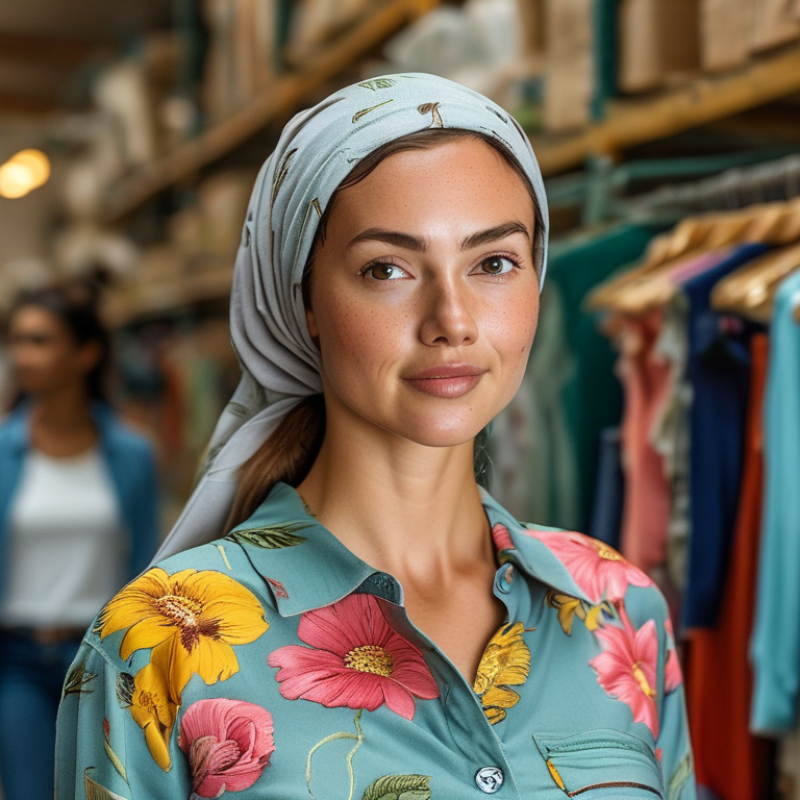
Top 10 Benefits of Sustainable Wholesale Clothing for Global Buyers?

Benefits of Sustainable Wholesale Clothing for Global Buyers

Sustainable wholesale clothing offers numerous benefits for global buyers. One significant advantage is the reduced environmental impact. By opting for eco-friendly materials, buyers support practices that lower carbon footprints. Organic fabrics often require less water and fewer chemicals. This shift can lead to cleaner production processes that benefit both the planet and future generations.

Another crucial aspect is transparency in sourcing. Many sustainable wholesalers provide clear information about their supply chains. This transparency fosters trust. Buyers can verify the origins of materials and labor practices. It’s essential for brands to align with ethical standards. However, not all suppliers are equally committed, so due diligence is necessary.

Moreover, sustainable clothing often resonates with consumers’ values. As awareness of environmental issues grows, shoppers prefer brands that reflect their beliefs. This loyalty can enhance sales for buyers. Still, there are challenges. Sourcing sustainable products may sometimes cost more. Balancing quality and pricing remains a point for reflection within the industry. Adopting sustainable practices is a step forward, but it also requires constant evaluation and improvement.

Cost-Effectiveness of Sustainable Fabrics in the Long Run

Sustainable fabrics offer long-term cost-effectiveness for global buyers. Investing in eco-friendly materials can lead to lower production costs. Traditional fabrics often require more resources and generate waste. In contrast, sustainable options can be more efficient. Over time, they can save on both material and labor expenses.

Choosing sustainable wholesale clothing also reduces waste. The durability of these fabrics means longer-lasting garments, which decreases the need for frequent replacements. This reduces costs in the long run. Sustainable practices can also enhance a brand's reputation, attracting more environmentally conscious consumers.

When sourcing sustainable clothing, focus on the supply chain. Ensure that materials are sourced responsibly and transparently. This not only helps the environment but also builds trust with consumers. Additionally, consider the total lifecycle of garments. Products that are biodegradable or recyclable offer added value.

Quality is essential. Low-cost sustainable options may require compromises. Assess the balance between sustainability and affordability carefully. Making wise choices now can lead to savings and a positive impact on the planet later.

Top 10 Benefits of Sustainable Wholesale Clothing for Global Buyers - Cost-Effectiveness of Sustainable Fabrics in the Long Run

Benefit Description Long-Term Cost Impact
Lower Production Costs Sustainable fabrics often result in lower production costs due to efficient use of resources. Reduced costs over time as energy and material waste decreases.
Market Demand Increasing consumer preference for sustainable products leads to higher sales. Higher profit margins as consumers are willing to pay a premium for sustainability.
Brand Loyalty Sustainable practices foster greater brand loyalty among consumers. Repeat business helps stabilize and grow revenue streams.
Innovation Opportunities Investing in sustainable fabrics drives innovation in product design and manufacturing. Potential cost savings through new, efficient technologies.
Reduced Supply Chain Risks Sustainable practices enhance supply chain transparency and reduce environmental risks. Lower costs associated with compliance and risk management.
Regulatory Compliance Meeting new environmental regulations can be easier with sustainable practices. Avoid fines and penalties, leading to cost savings.
Employee Satisfaction A commitment to sustainability improves workplace morale and employee retention. Reduced recruitment and training costs contribute to overall savings.
Positive Environmental Impact Sustainable fabrics minimize ecological footprints and promote biodiversity. Long-term savings related to environmental remediation and conservation efforts.
Supply Chain Collaboration Working with sustainable partners fosters better collaboration and efficiency. Improved logistics can lower transportation and distribution costs.
Customer Education Educating customers about sustainability can enhance brand reputation. Increased customer engagement can lead to higher sales.

Environmental Impact Reduction through Sustainable Practices

Sustainable wholesale clothing is gaining traction among global buyers. This shift reflects a growing awareness of environmental issues. By opting for sustainable practices, brands can significantly reduce their carbon footprint. The production processes often utilize organic materials and low-impact dyes, which help lessen water pollution. These measures also contribute to soil health.

Sourcing from ethical suppliers creates a ripple effect. It encourages sustainable farming and manufacturing practices. However, challenges remain. Not all sustainable materials are readily available. Also, the cost of sustainable clothing can be higher. This can deter some buyers, making it essential to educate stakeholders on the long-term benefits.

Consumers are becoming more conscious. They seek transparency in the supply chain. A lack of certified sustainable practices can lead to skepticism. Authenticity is crucial; buyers should demand proof of sustainability claims. This helps build trust and supports a greener economy. The journey to sustainable fashion involves continual learning and adaptation.

Enhancing Brand Reputation with Eco-Friendly Clothing Lines

Eco-friendly clothing lines offer significant advantages for brands looking to enhance their reputation. Recent studies show that 72% of consumers prefer buying from sustainable brands. This trend reflects a growing consciousness about the environmental impact of the fashion industry. In fact, the global market for sustainable apparel is expected to reach $8.25 billion by 2027, indicating strong demand for green practices.

Engaging in sustainable wholesale clothing practices can bolster a brand's image. Companies adopting eco-friendly materials often see increased customer trust. 66% of shoppers are willing to pay more for sustainable products. However, brands must be cautious. Not all claims about sustainability are truthful. Greenwashing can lead to a loss of credibility if consumers sense insincerity.

Transparency is crucial for brands aiming to build a strong reputation. Providing clear information about sourcing, production processes, and environmental impact fosters loyalty. Reports indicate that brands with high transparency rates experience 30% greater customer engagement. However, balancing sustainability with business growth remains a challenge. Brands must carefully navigate this complex landscape to ensure their initiatives resonate effectively with their target audience.

Supporting Ethical Labor Practices in the Global Market

Sustainable wholesale clothing plays a crucial role in supporting ethical labor practices. Many global buyers are recognizing that their purchasing decisions impact workers' lives directly. Ethical labor practices prioritize fair wages, safe working conditions, and reasonable working hours. These standards contribute to a healthier and more equitable global market.

However, the journey toward truly sustainable practices is not without its challenges. Some manufacturers may claim sustainability without fully adhering to ethical labor standards. Transparency is essential for buyers who wish to support responsible businesses. They must investigate supply chains and ensure that all workers are treated fairly. This scrutiny creates accountability in the industry, which can lead to improvements over time.

Moreover, fostering ethical labor practices requires ongoing education and awareness. Global buyers should engage with organizations and initiatives that promote fair labor practices. By doing so, they contribute to a movement that empowers workers and supports their rights. It is a continuous process of reassessing values and practices, which can lead to a more just and sustainable clothing industry.

FAQS

: What are the main benefits of sustainable wholesale clothing for buyers?

: Sustainable wholesale clothing reduces environmental impact by using eco-friendly materials that lower carbon footprints.

How does transparency affect sourcing in sustainable clothing?

Transparency is vital as it builds trust. Buyers can verify origins and labor practices of materials used.

Do consumers prefer brands that focus on sustainability?

Yes, many consumers prefer brands that align with their environmental values, enhancing loyalty and sales.

Is sourcing sustainable clothing more expensive?

Sourcing sustainable options can sometimes cost more, posing a challenge for buyers to balance quality and pricing.

How can sustainable fabrics be cost-effective in the long run?

Sustainable fabrics decrease waste and last longer, leading to savings on replacements and production over time.

What role does brand reputation play in sustainable practices?

Strong brand reputation boosts customer trust. However, brands need to avoid greenwashing to maintain credibility.

Why is sourcing responsibly important for global buyers?

Sourcing responsibly is essential to protect the environment and enhance consumer trust in the brand.

How can transparency benefit customer engagement?

High transparency rates in sourcing and production can lead to significantly greater customer engagement.

Are sustainable clothing options always of high quality?

Not all low-cost sustainable options offer quality. Buyers need to carefully assess their sustainability and affordability.

What is a common challenge for brands focused on sustainability?

Balancing sustainability initiatives with business growth can be challenging and requires thoughtful navigation.

Conclusion

Sustainable Wholesale Clothing offers numerous advantages for global buyers, positioning them to compete effectively in an increasingly eco-conscious market. One of the key benefits is the cost-effectiveness of sustainable fabrics over time, as they often prove to be more durable and require less frequent replacement. Additionally, by opting for sustainable practices, businesses can significantly reduce their environmental impact, contributing to overall efforts in combating climate change.

Moreover, incorporating Sustainable Wholesale Clothing into their offerings can greatly enhance brand reputation, as consumers today are more inclined to support brands that prioritize eco-friendliness. This approach not only attracts a loyal customer base but also demonstrates commitment to ethical labor practices in the global market. Ultimately, embracing sustainable wholesale clothing is a strategic decision that benefits both businesses and the planet.

Sophia

Sophia

Sophia is a seasoned marketing professional with a deep expertise in our company's offerings and an unwavering commitment to excellence. Her role involves crafting insightful blog posts that not only highlight the intricacies of our products but also serve to educate and engage our audience. Sophia......