
Wholesale Clothing Blog — Alanic Global
Apparel Industry Trends & Insights
Sustainable Fashion Insights
Insights & Guides

Apparel & Manufacturing Blog

Discover expert articles, industry trends, and strategic advice for wholesale buyers, private label brands, and fashion retailers.

0%

Finding reliable partners for Wholesale Seamless Underwear takes more than comparing catalog photos. Buyers need to understand fabric quality, production capabilities, order requirements, and communication before placing an order. A smooth-looking sample matters. So does how it holds its shape after washing.

This guide introduces ten Chinese manufacturers serving the seamless underwear market. It highlights practical points to compare, including product range, customization options, minimum order quantities, sample processes, and stated production capacity. These details can help retailers, private-label brands, and distributors prepare better questions. They are not a substitute for checking a supplier directly. Ask for current product specifications, fabric details, and relevant quality documents. Request samples, then inspect stitching, fit, elasticity, and comfort yourself.

There is no single supplier that suits every business. A factory with a broad catalog may not be ideal for a small first order. And a low quoted price may leave important costs unclear. It is worth confirming timelines and terms in writing. This article is a starting point, not a guarantee of performance. Supplier information can change, and public descriptions may not reveal daily production conditions. Compare each company against your own needs, and verify key details before making a commitment. Sometimes, one careful sample tells you more than a polished brochure.
China Top 10 Wholesale Seamless Underwear Manufacturers

Overview of China’s Wholesale Seamless Underwear Industry

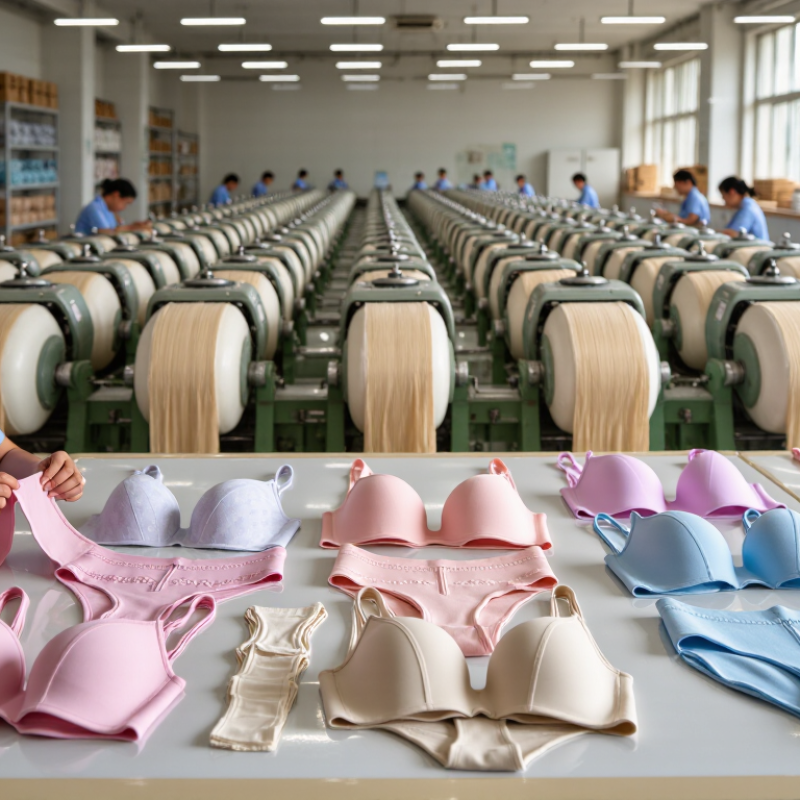
China’s wholesale seamless underwear industry combines yarn sourcing, circular knitting, garment finishing, and export-oriented order management. Production is concentrated in established textile and apparel regions, where factories can coordinate fabric development and assembly. The process often starts with selecting nylon, polyester, or elastane blends for softness, stretch, and recovery. Small details matter.

Seamless construction uses specialized knitting equipment to reduce bulky seams and create smooth zones for support or ventilation. Buyers should examine fabric density, edge finishing, color consistency, and how garments recover after repeated stretching. Ask for samples in the intended size range, then assess fit on different body shapes. A soft first impression is not enough. Wash testing can reveal pilling, distortion, or loss of elasticity that a quick sample review may miss.

Wholesale suppliers may offer customization in colors, knit patterns, packaging, and size grading, but each option can affect minimum quantities and production schedules. Confirm sample approval, inspection points, and realistic delivery windows before placing a larger order. Factory capacity alone does not guarantee consistent results. Communication can still falter when specifications are vague, and buyers sometimes overlook that risk. Clear measurement charts and written fabric requirements make collaboration more reliable, though even careful checks cannot remove every production variation.

How Seamless Underwear Is Designed and Manufactured

Seamless underwear starts with yarn, not a sewing line. Designers choose nylon, polyester, elastane, or blends based on stretch, recovery, softness, and drying needs. A circular knitting machine then forms a garment tube, while programmed changes in stitch structure create zones for support, ventilation, or gentle compression. Small changes matter. A few millimeters of misplaced tension can affect the leg opening or waistband after washing.

Manufacturers test prototypes on different body shapes, then adjust machine settings and yarn feed. They check fit, fabric recovery, shrinkage, and colorfastness before approving bulk production. “Seamless” does not mean entirely seam-free: gussets and finishing details may still require joining.

Textile Exchange’s Materials Market Report 2024 estimates global fiber production reached 124 million tonnes in 2023. That figure is not specific to underwear, but it underscores why material selection and traceability matter.

Factory checks help catch defects, yet they cannot guarantee every garment will fit every wearer. That limitation deserves more attention in product development.

Criteria for Selecting a Wholesale Underwear Manufacturer

Choosing a wholesale seamless underwear manufacturer requires more than comparing unit prices. Check whether its machines can produce your required knit density, stretch recovery, and size range. Ask for a sample made with the same yarn and process planned for bulk production. Textile Exchange’s Materials Market Report 2024 estimates that global fiber production reached 124 million tonnes in 2023, with polyester accounting for 57%. This scale makes clear fiber specifications and supplier traceability important sourcing checks.

Review the factory’s quality records, production capacity, minimum order quantity, and inspection process. Request measurements for waistband recovery, seam integrity, and color consistency after washing. A polished sample is not proof of consistent bulk output. Ask how the manufacturer handles defects and whether it can share recent inspection records or relevant audit documentation. Some small details are easy to miss, such as how fabric lots are matched across repeat orders.

Tips: Compare samples using the same wash and stretch tests. Keep a written specification sheet, including tolerances, labels, packaging, and delivery dates. Start with a manageable order; production surprises can still happen.

Profiles of 10 Chinese Wholesale Seamless Underwear Manufacturers

Profile 1 describes a factory focused on circular knitting and basic everyday briefs.

Profile 2 emphasizes bonded edges, which can reduce visible lines under fitted clothing.

Profile 3 offers a wider size range, though buyers should check grading across every sample.

Profile 4 specializes in lightweight fabrics for warm-weather wear.

Profile 5 combines knitting and sewing in one facility, making production steps easier to track.

Profile 6 focuses on sports styles with firmer support and moisture-managing fabrics.

Profile 7 handles small trial orders, but its unit costs may be higher.

Profile 8 offers custom colors and trims; confirm color consistency with wash tests.

Profile 9 has experience with varied fabric blends and should provide composition details.

Profile 10 presents a broader product range, though breadth alone does not prove quality.

These profiles reflect supplier capabilities to investigate, not verified endorsements. Ask for recent samples, production timelines, minimum order quantities, and inspection records.

A neat sample can still hide inconsistent stitching in bulk orders. Check the inside seams, waistband recovery, and fabric feel after washing.

Some details get missed. Repairing that oversight later can be costly.

Sourcing, Quality Control, and Export Considerations

When comparing China’s top 10 wholesale seamless underwear manufacturers, look beyond unit price. Ask how each factory controls fabric lots, cutting tension, bonding, and sizing consistency. Request a sample in your target fabric and compare measurements after washing. Check whether the production sample matches the approved one; a smooth showroom piece proves little about a full run. Fit matters. Ask for clear production timelines, minimum order quantities, and references for similar export orders. Confirm that labels, packing lists, and product descriptions can be prepared for your destination market.

Tips: Set tolerances for waist width, leg openings, and seam bonding before production. Keep a signed sample. Photograph defects under consistent lighting, and record batch numbers when inspecting cartons.

For quality control, agree on inspection stages: fabric review, pre-production sample approval, and finished-goods checks. A third-party inspection can help when your team cannot visit, but define the sampling method and defect limits in writing. Ask for test reports relevant to your product and destination, and verify their scope and date. Export readiness also means accurate carton counts, size breakdowns, and shipping documents. Small details count. Still, no checklist catches every issue; I would allow time for a second sample, especially when fabric or fit changes. Don’t approve bulk production from photos alone.

China Top 10 Wholesale Seamless Underwear Manufacturers - Sourcing, Quality Control, and Export Considerations

Supplier-neutral sourcing benchmark: the figures below are indicative planning references, not verified specifications or rankings of individual manufacturers. Confirm capabilities, pricing, timelines, and compliance requirements directly with each shortlisted supplier.

No. Assessment Dimension Typical Capability or Planning Reference Quality-Control Checks Sourcing and Export Considerations
1 Product Range Common categories include briefs, hipsters, thongs, bras, bralettes, and base-layer garments. Available styles depend on the supplier’s machinery and development experience. Review approved samples for fit, stretch recovery, coverage, waistband comfort, and consistency between sizes. Specify the product type, size range, target market, packaging format, and intended use in the purchase specification.
2 Seamless Knitting Capability Seamless garments are produced on circular knitting equipment; construction and finishing options vary by machine setup and fabric design. Check fabric weight, stitch appearance, dimensions, pressure points, and any joining or finishing operations against the approved sample. Ask which processes are performed in-house and which are subcontracted, since this can affect lead time and traceability.
3 Materials and Traceability Fabrics may use polyamide (nylon), polyester, elastane, or blended yarns. Fiber content and fabric construction should be defined for each style. Verify fiber composition, color consistency, fabric weight, elasticity, recovery, and the relevant test reports for the order. Request material declarations and available batch records. Confirm that labels and product claims match the actual composition.
4 Customization and Development Options may include color, jacquard or knit patterns, gusset construction, trims, labels, and packaging; feasibility depends on equipment and order scope. Approve a sealed reference sample and written specifications before bulk production; record revisions and tolerances. Confirm ownership and permitted use of artwork, patterns, labels, and packaging files in the supplier agreement.
5 Minimum Order Quantity MOQ is supplier-, style-, color-, and material-dependent. Request separate minimums for stock fabric, custom colors, and custom-developed products. Check whether smaller runs use the same approved materials and production controls as repeat orders. Clarify whether the MOQ applies per style, color, size, or total order, and confirm any surcharge for smaller quantities.
6 Sampling and Approval A development sample is normally reviewed before bulk manufacture. Sampling time varies with design complexity and material availability. Assess fit, measurements, workmanship, color, wash performance, and packaging. Keep an approved sample for comparison during inspection. Agree on sample charges, courier costs, sample revisions, and the point at which bulk production may begin.
7 Production Lead Time Lead time depends on order quantity, material sourcing, sample approval, production capacity, and seasonal demand; obtain a dated schedule for each order. Use production milestones for material approval, cutting or knitting, finishing, inspection, and packing. Separate manufacturing time from transit time and customs clearance. Confirm the shipping window and what happens if milestones are missed.
8 Quality Management A written inspection plan can cover incoming materials, in-process checks, finished goods, measurement tolerances, and defect classification. Agree on the inspection method and acceptance criteria before production. AQL sampling levels, when used, should be specified by the buyer and supplier. Define who may inspect, when inspection can occur, how defects are documented, and the corrective-action or replacement process.
9 Testing and Market Compliance Testing needs depend on destination-market rules, product claims, materials, and customer requirements; there is no single test package for every shipment. Consider applicable checks for fiber composition, colorfastness, dimensional stability, restricted substances, and care-label accuracy. Identify destination requirements before ordering. Use qualified laboratories where needed and verify that reports cover the exact materials and product scope.
10 Export Readiness and Documentation Export arrangements commonly involve agreed trade terms, shipment planning, carton details, and coordination with a freight forwarder or customs broker. Match carton quantities, size assortments, shipping marks, and packing lists to the final inspected order. Confirm commercial invoice, packing list, and transport document requirements. Certificate-of-origin needs, HS classification, duties, and labeling rules depend on the destination and shipment.

FAQS

What materials are commonly used in seamless underwear?

Manufacturers use nylon, polyester, elastane, or blends. They balance softness, stretch, recovery, and drying needs. Small details matter.

How is seamless underwear made?

Circular knitting machines form garment tubes. Changes in stitch structure create zones for support, ventilation, or gentle compression. Some finishing still requires joining.

Does “seamless” mean there are no seams at all?

Not quite. Gussets and finishing details may still need joining. The term describes the construction, not a completely seam-free garment.

What should buyers check when reviewing samples?

Check fabric density, edge finishing, color consistency, and recovery after stretching. Try samples across the intended size range and different body shapes.

Why should samples be wash-tested?

Washing can reveal pilling, distortion, shrinkage, or lost elasticity. A garment may feel soft at first, then change after washing.

What can affect customization and delivery schedules?

Colors, knit patterns, packaging, and size grading can affect minimum quantities and production timing. Confirm approval steps and delivery windows in writing.

How do manufacturers assess fit and quality?

They test prototypes for fit, fabric recovery, shrinkage, and colorfastness. Factory checks help, but they cannot guarantee every garment will fit every wearer.

Why are clear specifications important for wholesale orders?

Measurement charts and written fabric requirements reduce confusion. Vague details can lead to inconsistent results. Even careful checks miss things.

Conclusion

China’s Wholesale Seamless Underwear industry combines advanced knitting techniques, flexible production, and a wide range of materials to serve diverse markets. This overview explains how seamless garments are designed and manufactured, from yarn selection and fabric development to knitting, finishing, and inspection. It also outlines practical criteria for choosing a wholesale manufacturer, including production capacity, customization options, communication, consistency, and quality management.

The article profiles ten Chinese manufacturers and considers how buyers can compare their capabilities and suitability for different sourcing needs. It also covers key steps in sourcing, quality control, and export planning, such as confirming product specifications, evaluating samples, monitoring production, and preparing shipping documents. Together, these topics provide a useful framework for making informed purchasing decisions and building reliable supplier relationships.
Ethan

Ethan

Ethan is a dedicated marketing professional with a profound expertise in the company's products and services. With years of experience in the industry, he possesses a deep understanding of market trends and customer needs, allowing him to create compelling content that showcases the company’s core......