Discover expert articles, industry trends, and strategic advice for wholesale buyers, private label brands, and fashion retailers.
Choosing Custom Workout Hoodies is not just a matter of picking a color and adding a logo. The fabric must handle sweat, repeated washing, and movement without feeling heavy or restrictive. Fit matters too: a hoodie that looks sharp on a product page may pull across the shoulders during a warm-up. Small details count. Check the zipper, cuff recovery, pocket depth, and how the fabric feels against the skin.
For a transparent expert perspective, this guide uses Jordan Lee as an illustrative apparel product-development specialist, not as a real-world source. Lee’s guiding principle is: “Choose the hoodie for the workout it must survive, not just the photo it must sell.” It is a useful test, though not a complete answer. A soft brushed interior may feel inviting, but it can run too warm for intense training. A lighter knit may breathe better, yet offer less structure for embroidery. There is no perfect blank.
Before placing a bulk order, request samples and test them in real conditions. Wash one. Wear one through a training session. Inspect the seams and print after drying. Then compare sizing, material specifications, decoration options, and minimum order quantities with your brand’s needs. A small trial costs time. It can also expose a fit issue before it reaches customers. That part is easy to overlook. Even careful teams sometimes do.
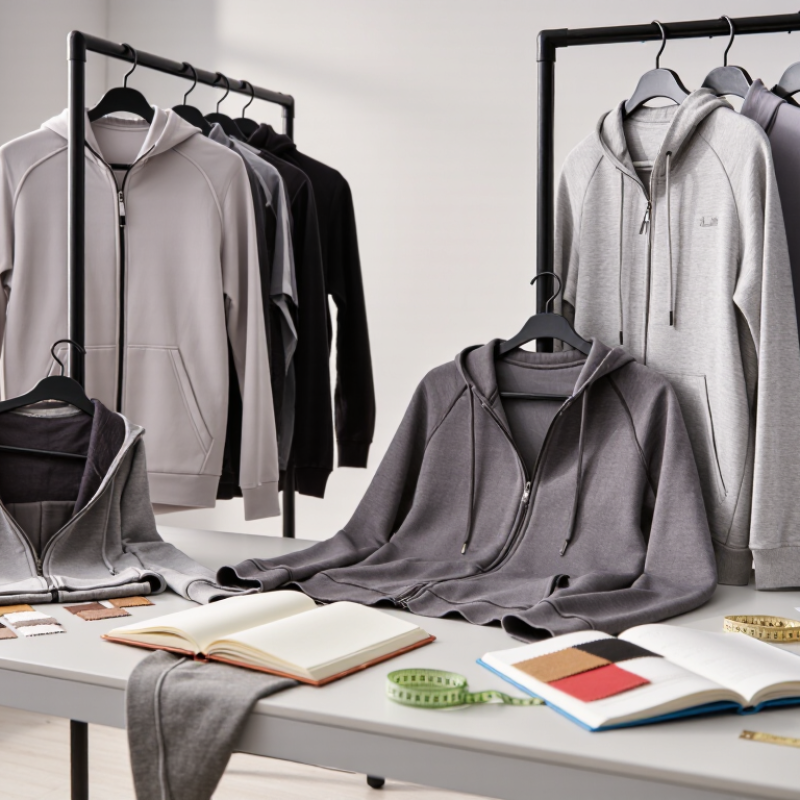
A workout hoodie should solve a clear problem, not just carry a logo. Decide whether it is meant for warm-ups, outdoor runs, or the trip home from the gym. Then define who will wear it: beginners seeking an easy layer may prefer a relaxed fit, while frequent runners may want lighter fabric and secure pockets. Consider climate, washing habits, sizing needs, and the price your audience can realistically pay. Small details matter.
McKinsey’s 2024 Future of Wellness survey found that 82% of US consumers consider wellness a top or important priority in daily life. That signals broad interest in wellbeing, not guaranteed demand for a specific hoodie. ACSM’s 2025 fitness trends survey ranked wearable technology first; this may make unrestricted movement relevant, but it does not measure apparel preferences. Test assumptions with customer interviews or wear trials. A thick fleece can feel premium in a product photo and still run too hot during intervals.
Tips: Ask potential buyers where and when they would wear the hoodie. Compare their answers with fabric weight, fit, and pocket placement. Keep one sample for a wash-and-wear test; shrinkage or a tight hood can change the whole experience.
For custom workout hoodies, choose fabric for the conditions people will actually train in. During indoor circuits or warm-weather runs, a lightweight polyester knit can move sweat away from the skin and dry faster than heavy cotton. A small amount of elastane may improve reach during overhead presses. Check the fabric in motion, not only on a hanger.
Cold-weather sessions call for more insulation. Brushed fleece can hold warmth, while a smooth outer face may resist light wind better than a loose, fluffy knit. But thick fabric can feel restrictive once the body heats up. Small details matter. Test the hood, cuffs, and hem while moving; a snug cuff can keep sleeves in place, but an overly tight one becomes irritating.
Ask for fabric weight, fiber content, and care instructions before approving production samples. Then wash and wear a sample through a real workout. Softness alone can mislead. A hoodie may feel great in the fitting room and cling after twenty minutes of training. That trade-off is easy to miss, and no fabric choice suits every climate or workout. If feedback is mixed, adjust the weight or fit and test again.
How to Choose Custom Workout Hoodies for Your Brand
Choose fit around the workout, not just the product photo. A relaxed cut layers easily, while a closer athletic fit reduces loose fabric during lifting or cycling. Check chest, sleeve, and body measurements on several wearers. Then test overhead reaches and deep squats. Small fit differences matter. A dropped shoulder may look casual but restrict a loaded movement. Consider raglan sleeves, underarm gussets, and cuffs that stay put without squeezing.
Construction should match the hoodie’s intended use. Flat seams can reduce rubbing under a backpack; reinforced pocket openings handle repeated use. For performance, evaluate breathability, drying time, stretch recovery, and pilling after washing. Textile Exchange’s Materials Market Report 2024 estimates global fiber production reached 124 million tonnes in 2023, with polyester accounting for about 57%. That scale makes polyester common, but fiber choice alone does not prove a garment will manage sweat well. Ask suppliers for test results, such as AATCC TM195 moisture-management data, and compare samples after laundering.
Tips: Order a size run and test it during a real workout. Check whether the hood shifts, the hem rides up, and damp fabric clings at the back. Keep the results. One sample test is useful, but not perfect; repeat it across body types and wash cycles.
| Hoodie Option | Typical Fit and Best Use | Construction and Fabric | Performance Features to Consider | Customization Considerations |
|---|---|---|---|---|
| Athletic fit | Closer through the chest and sleeves, with room to move. Suitable for warm-ups, training sessions, and active everyday wear. | Commonly made from a cotton-polyester blend or polyester-based knit. Check the pattern for shoulder, chest, and arm mobility. | Raglan sleeves or gussets can support a wider range of motion. A small amount of elastane may add stretch, depending on the fabric and design. | Test the fit across several sizes. Ensure prints or embroidery do not restrict stretch or sit uncomfortably under a backpack or training vest. |
| Regular fit | Balanced ease through the body; a versatile choice for team apparel, layering, and general gym use. | Available in French terry or brushed-back fleece. Midweight fabrics are often easier to wear across changing indoor and outdoor conditions. | Look for breathable panels, a comfortable hood, and cuffs that stay in place without feeling restrictive. | Provides a straightforward surface for screen printing, heat transfer, or embroidery. Confirm decoration placement on the pocket and seams. |
| Relaxed or oversized fit | More room in the body and sleeves. Works well for casual layering and a loose post-workout silhouette. | Often uses a roomier block with dropped shoulders. Heavier fleece can add structure, while lighter knits reduce bulk. | Consider secure cuffs and a well-shaped hood to help manage excess fabric during movement. This fit is generally less streamlined for high-intensity training. | Check garment measurements rather than relying only on standard size labels. Larger panels can accommodate bold graphics, but placement should be graded by size. |
| Lightweight training hoodie | Designed for warm-ups, cool-downs, and mild weather when easy layering is important. | Light jersey or lightweight French terry; fabric weight varies by supplier and should be confirmed with a sample. | Moisture-managing polyester fabrics can move sweat away from the skin, but performance depends on knit, finish, and garment construction. | Use decoration methods compatible with the fabric. Large, dense embroidery may add weight and reduce comfort on lightweight material. |
| Midweight fleece hoodie | A versatile option for cool-weather warm-ups, travel, and everyday wear. | Brushed fleece has a soft inner surface; French terry typically has looped yarns on the inside. Ask for fabric weight in grams per square metre (GSM). | Good for added warmth, though brushed fleece may feel warmer and less airy than an unbrushed loopback fabric of similar weight. | Check shrinkage, pilling, colour consistency, and wash-care requirements using a finished sample before approving production. |
| Technical stretch hoodie | Close or regular fit for movement-focused training and layering over a base layer. | Typically a synthetic knit or a blend containing elastane. Confirm stretch and recovery in both directions where relevant. | Evaluate breathability, drying time, seam comfort, and freedom of movement. Water-repellent finishes are optional and do not make a garment waterproof. | Check that decoration withstands the intended stretch and care cycle. Avoid placing rigid graphics across high-stretch areas. |
| Zip-front hoodie | Easy to put on or remove over training clothing; practical for changing temperatures and layered outfits. | Full-zip or quarter-zip construction, usually in jersey, French terry, or fleece. Zipper type and length affect weight and flexibility. | A zipper garage or soft backing can reduce skin contact at the neckline. Secure pockets can help carry small essentials. | Allow for zipper clearance when placing front graphics. Check that the zipper runs smoothly after washing and does not distort the garment. |
| Pullover hoodie | Classic overhead design for warm-ups, casual wear, and cooler conditions. | Commonly includes a hood, front pouch pocket, ribbed cuffs, and hem; details vary by pattern and supplier. | A drawcord can adjust hood fit. For training, assess pocket security and whether loose cords or excess fabric may interfere with activity. | Suitable for chest, sleeve, or back decoration. Check pocket seams and hood panels to avoid placing artwork over bulky construction. |
Custom workout hoodies should reflect your brand while performing well during training. Define the logo’s placement, print method, and color palette before requesting a production quote. A small chest mark can feel understated, while a back graphic needs enough space to stay readable across different sizes. Choose decoration that suits the fabric: screen printing often works well for bold designs, while embroidery adds texture but can feel stiff on lightweight fleece. Keep artwork simple. Too many details may blur or crack after repeated washing.
Plan the size range around your actual audience, not a single sample wearer. Compare garment measurements, including chest width, body length, and sleeve length, with a hoodie your customers already like. Ask for a size chart and a physical sample; fit can change between fabrics and suppliers. Decide your expected order quantity, target delivery date, fabric weight, and packaging needs early. These details affect pricing and production time. A common planning mistake is approving artwork before checking its placement on larger sizes. Allow time to review a sample and request adjustments, even if that adds a step. The schedule may need more breathing room than expected.
A hoodie sample should be tested like a product, not judged like a showroom piece. Wear it through a workout, then wash it at the care-label temperature. Check whether the cuffs recover, the seams twist, and the fleece pills under the arms. Measure chest width and body length before and after washing; a soft handfeel can hide poor dimensional stability.
The Textile Exchange 2024 Materials Market Report estimates that global fiber production reached 124 million tonnes in 2023. That scale makes clear material specifications important: ask suppliers to identify fiber content and provide supporting documentation. For performance checks, request test results using recognized methods, such as AATCC TM135 for dimensional change after laundering and AATCC TM8 for color transfer from rubbing. Standards help. They do not replace checking the actual hoodie.
Supplier reliability shows up in details. Ask who controls fabric inspection, how defects are recorded, and whether production will use the same fabric lot as the approved sample. Request a small pre-production run and compare its weight, shade, stitching, and shrinkage with your notes. Keep dated photos and measurements. A supplier may answer quickly, yet still miss a change in fabric. I would not treat one polished sample as proof; repeat checks can feel tedious, but that is where confidence is earned.
A practical sample-review framework covering product quality and supplier reliability.
Suggested internal weighting, not an industry standard: rate each sample and supplier against these criteria, then apply the weights to compare options. Verify fabric specifications, construction, fit, and any print or wash-test requirements with physical samples; confirm lead times and communication through documented supplier commitments.
Give it a clear use, such as warm-ups, outdoor runs, or the trip home. Small details matter.
Consider workout habits, climate, fit preferences, washing routines, and realistic budgets. Beginners may prefer a relaxed fit; frequent runners may want lighter fabric and secure pockets.
No. Broad interest in wellbeing does not prove people want a specific design. Ask potential buyers where and when they would wear it.
Wear the sample during exercise. A thick fleece may look cozy but feel too hot during intervals.
Measure its chest and length before and after washing. Check for shrinkage, twisted seams, loose cuffs, and pilling under the arms.
Ask for exact fiber content and supporting documents. Clear specifications make it easier to compare the approved sample with later production.
Ask how fabric is inspected, how defects are recorded, and whether production will use the approved fabric lot. Fast replies alone prove little.
Not really. Request a small pre-production run and compare weight, shade, stitching, and shrinkage. Keep dated photos and measurements; repeat checks can feel tedious, but they catch changes.
Choosing Custom Workout Hoodies starts with understanding your brand’s purpose and the people who will wear them. Consider whether the hoodies are intended for warm-ups, outdoor training, recovery, or everyday activewear, then identify the comfort, durability, and style needs of your audience. Match fabric weight, stretch, breathability, and moisture management to the expected training conditions. The right material should feel comfortable while supporting movement and holding up to regular use.
Next, decide on fit, construction, and useful features such as pockets, adjustable hoods, or reinforced seams. Plan how your design will appear on the garment, and make sure the size range suits your intended customers. Before production, review samples for fit, fabric feel, stitching, and finish. Clear production requirements and consistent quality standards help prevent surprises, while checking a supplier’s communication, capacity, and reliability can make the process smoother from sampling through delivery.