Discover expert articles, industry trends, and strategic advice for wholesale buyers, private label brands, and fashion retailers.
Choosing UV Sun Protection Clothing for a brand is more than selecting a darker fabric or adding a UPF label. Customers expect comfort, credible protection, and clear product information. They may wear a shirt on a bright beach, a hiking trail, or a child’s school field. Each setting creates different demands.
Dermatologist Dr. Elizabeth K. Hale has emphasized that “clothing is the first line of defense against the sun.” This principle gives brands a practical starting point. Protection should be built into the garment, not treated as a decorative claim. Fabric density, fiber composition, color stability, stretch, and wet performance all matter. A lightweight white top may feel cool, yet it can become more transparent when wet. That detail is easy to miss.
Fit matters too. Loose sleeves can expose wrists. A low collar can leave the neck unprotected. Thoughtful designs use longer hems, high necklines, thumb openings, and breathable panels. However, too many features can make a garment heavy or uncomfortable. That trade-off deserves honest testing.
Reliable brands should request independent UPF testing and explain care instructions plainly. Washing, abrasion, and repeated stretching may change performance. Avoid vague promises. Show test standards, material details, and realistic use conditions.
The process is not perfect. Even experienced teams can overlook heat, movement, or different body shapes. Customer feedback can reveal those gaps. A strong UV Sun Protection Clothing range combines tested protection with wearable design, responsible communication, and continuous improvement.
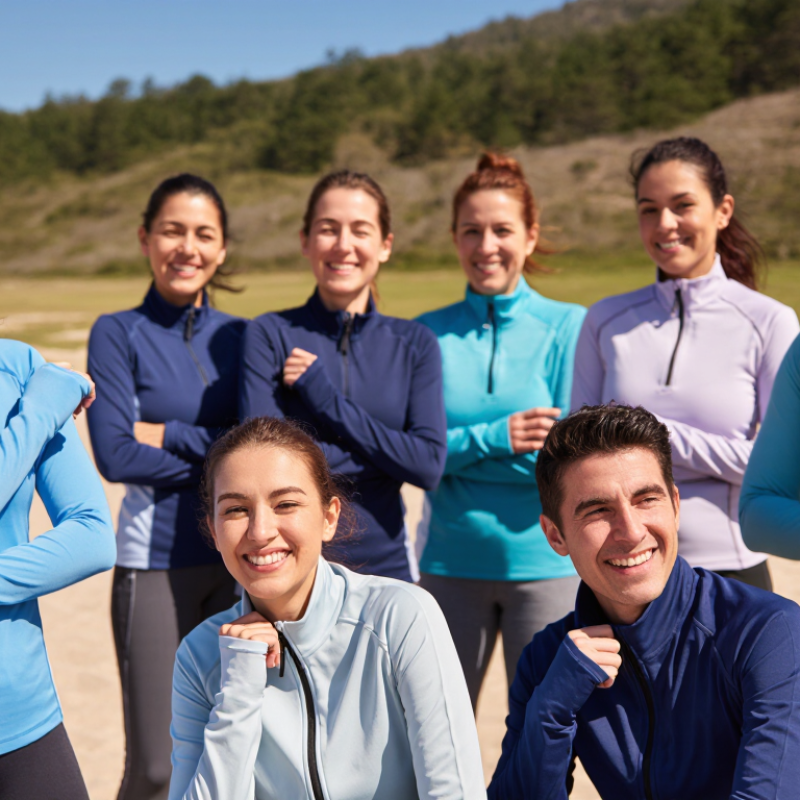
When defining UV protection clothing goals, start with the wearer, not the garment. A child’s beach shirt needs different priorities than a commuter’s lightweight overshirt. Consider exposure time, climate, activity level, and layering habits. A hot coastal market may need breathable fabric and rapid drying. A high-altitude market may need stronger coverage and darker colors.
Be specific about protection targets. Set a measurable UPF requirement, then request test reports from qualified, independent laboratories. Fabric density, stretch, moisture, and repeated washing can affect performance. Do not rely on a label alone. The garment should cover shoulders, upper arms, the back of the neck, and other commonly exposed areas. Fit matters. Loose sleeves may improve airflow, but gaps can reduce practical coverage.
Comfort remains a real goal. A technically strong fabric can fail if it feels stiff, traps heat, or irritates the skin. Test samples during movement, not only on a table. Ask wearers to walk, bend, and wash the garment several times.
Our first sample looked excellent but felt heavy after two hours outdoors. That mistake changed our priorities. Evidence matters more than attractive fabric claims.
Define care instructions early. If protection depends on special treatment, explain that clearly. Review seam quality, color stability, packaging, and supplier consistency before setting final claims. Leave room for correction. Real-world feedback may challenge the original plan.
How to Choose UV Sun Protection Clothing for Your Brand?
Reliable UV protection begins with the right testing standard. Look for reports using recognized methods, such as AS/NZS 4399, EN 13758-1, or ASTM D6603. These standards help evaluate how much ultraviolet radiation passes through fabric. A UPF 50+ rating indicates very high protection, but rating systems can differ between markets. Confirm the required label claims before production.
Fabric construction matters as much as the fiber itself. Dense polyester or nylon fabrics often block more UV than loose, open knits. Darker colors may improve protection, while moisture and stretching can reduce performance. Coverage matters. Long sleeves, higher necklines, and closely fitted cuffs protect areas that fabric tests cannot cover. Ask for test data on the finished garment, not only on a flat fabric sample.
In product development, I would also check performance after washing and repeated wear. Test it. A garment that loses shape may expose skin during movement. No fabric stays perfect forever. This point is easy to overlook. Claims should match verified results, care instructions, and realistic use. Some lightweight fabrics feel comfortable but offer weaker protection. Others protect well but feel warm in direct sunlight. A practical design balances laboratory performance, breathability, durability, and everyday coverage. Mistakes can happen when teams rely only on a UPF number. The full garment deserves closer review.
Choosing UV sun protection clothing starts with the garment, not the label.
The World Health Organization reports that ultraviolet radiation caused about 1.5 million non-melanoma skin cancer cases in 2020. This makes coverage a design responsibility.
Dense knits, tightly woven fabrics, and darker shades usually reduce UV transmission. However, mesh panels and open necklines can create exposed paths. A perfect lab result can still fail outdoors.
Fit changes real protection.
Sleeves should reach the wrists during movement, while hems should remain below the waist when the wearer bends. A close, comfortable fit limits gaps without trapping excessive heat.
Oversized cuts may expose skin when wind lifts the fabric. Very tight garments may discourage regular use.
Add articulated elbows, gussets, and flat seams for easier movement. Cover the shoulders, upper chest, back of the neck, and upper arms. Small details matter.
Under recognized UPF testing, UPF 50 fabric permits about 2% of UV transmission.
That result does not guarantee full-body protection, especially after stretching, wetting, or repeated washing. The AS/NZS 4399 standard evaluates these performance factors.
Brand teams should test finished garments, not fabric swatches alone. Field trials should record heat, sweat, sleeve movement, and laundering changes.
User feedback may expose design flaws that testing misses. That is uncomfortable, but useful.
A wearable garment protects better than an impressive garment left unworn.
A reliable supplier should explain fabric composition, UPF test results, and production limits clearly. Request recent laboratory reports, not only sales samples. Ask how protection performs after repeated washing, stretching, and exposure to sweat. A serious supplier can provide test methods, sample records, and inspection procedures. Vague answers are warning signs.
Customization needs careful control. Confirm fabric weight, color consistency, stitching density, labels, packaging, and size grading before production. Request a physical sample with your intended artwork and trims. Check seam comfort around the neck, cuffs, and underarms. Small details matter during outdoor wear. Production quality often changes between samples and bulk orders, so use a pre-production approval sample and written specifications. Independent inspections can also reveal loose threads, uneven hems, or incorrect measurements.
Tips: Compare at least three suppliers. Test samples yourself. Wash them repeatedly. Measure shrinkage. Check print cracking. Ask about minimum order quantities and realistic lead times. Keep records of every approval. Do not rely on promises alone.
I have seen attractive samples hide uncomfortable seams and unstable colors. That mistake is easy to make. A lower price may also reflect thinner fabric or weaker quality control. Still, testing every possible condition is unrealistic. Choose the most important use cases, document the limits, and improve the process with each production cycle.
How to Choose UV Sun Protection Clothing for Your Brand?
Test Product Performance, Compliance, and Brand Readiness
UV protection clothing should be tested, not judged by fabric appearance alone. Request laboratory results for UPF performance, colorfastness, breathability, and stretch recovery. Test the finished garment, including seams, panels, prints, and closures. A dense black fabric may feel protective, but construction can still create weak areas. Test it yourself.
Repeat testing after washing. Five, twenty, and fifty wash cycles can reveal changes in coverage and performance. Record the detergent, water temperature, drying method, and garment size. Keep retained samples from every production batch. This creates useful evidence when results vary. It also exposes uncomfortable truths. A product may pass in the laboratory but feel too hot during real outdoor use.
Tips: Check whether the test method matches your target market and product category. Review the laboratory’s accreditation and report date. Confirm that care labels support the tested washing conditions. Inspect supplier records for fiber composition, dyeing, and factory controls. Avoid broad claims such as “total protection.” Use clear, qualified language based on documented results. A practical field trial can include cyclists or construction workers wearing the garment for several hours. Ask about heat, movement, sleeve coverage, and fading. Their feedback may challenge your original design. That is valuable. Small details matter. A reliable product needs performance, compliance, and consistent production evidence before launch.
Ask for fabric composition, UPF results, test methods, and recent laboratory reports. Vague answers are warning signs.
Not completely. Request a pre-production sample with your artwork, labels, trims, and actual fabric. Bulk production can differ.
Check stitching density, size measurements, fabric weight, colors, hems, and closures. Feel the seams around the neck, cuffs, and underarms.
Test garments after five, twenty, and fifty wash cycles. Record detergent, water temperature, drying method, and shrinkage. Keep retained samples.
Review colorfastness, breathability, stretch recovery, and finished-garment coverage. Test seams, panels, prints, and closures too.
Ask users to wear it for several hours while moving outdoors. Record heat, sleeve coverage, comfort, fading, and restricted movement. Real use may disagree.
Inspectors can identify loose threads, uneven hems, unstable colors, and incorrect measurements. They may catch defects hidden by attractive samples.
Avoid broad claims such as “total protection.” Use qualified wording based on documented test results and suitable care instructions.
Compare at least three suppliers. Review minimum order quantities, realistic lead times, inspection procedures, and production records. Price alone misleads.
No, complete testing is unrealistic. Choose important use cases, document limitations, and improve the process after each production cycle.
Choosing the right UV Sun Protection Clothing begins with clearly defining your product goals, target users, climate, activity level, and desired market position. Consider essential UV protection standards, fabric construction, UPF performance, breathability, moisture management, stretch, durability, and comfort. Garment design should also be evaluated carefully, including fit, coverage, sleeve and collar structure, ventilation, layering compatibility, and ease of movement. A well-designed product should provide reliable protection without feeling heavy, restrictive, or uncomfortable during extended wear.
Supplier selection is equally important. Review manufacturing experience, customization capabilities, fabric sourcing, quality control systems, minimum order requirements, and production consistency. Request samples and assess stitching, color stability, printing or labeling quality, and finishing details. Before launch, test the clothing under realistic wearing and care conditions to verify UV performance, durability, comfort, and compliance with applicable requirements. This structured process helps ensure the final product is functional, dependable, production-ready, and aligned with the intended market and product goals.