
Wholesale Clothing Blog — Alanic Global
Apparel Industry Trends & Insights
Sustainable Fashion Insights
Insights & Guides

Apparel & Manufacturing Blog

Discover expert articles, industry trends, and strategic advice for wholesale buyers, private label brands, and fashion retailers.

0%

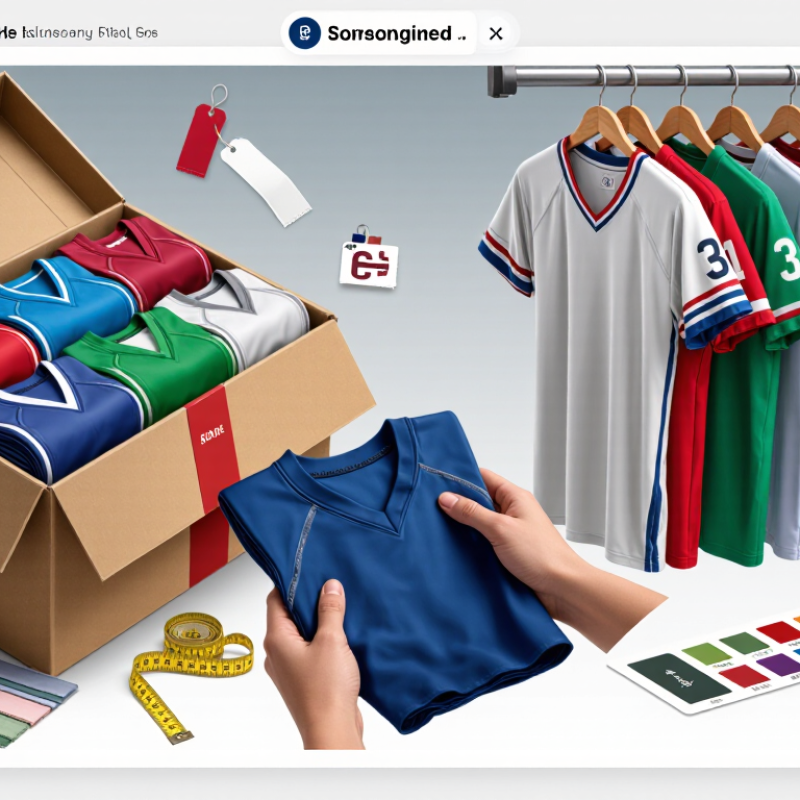
Buying Custom American Football Jerseys can feel simple until the details start affecting comfort, appearance, and cost. A jersey may look excellent online, yet fit poorly on game day. Stitching, fabric weight, sleeve design, and number placement all matter. Even small choices can change how the finished jersey feels during practice or competition.

This guide presents seven practical tips for making a more informed purchase. It explains how to measure accurately, compare materials, check customization options, and evaluate a supplier’s reliability. Look for clear size charts, realistic product photos, detailed production timelines, and customer reviews with visible results. A trustworthy seller should answer questions about fabric, printing methods, washing instructions, and replacement policies without vague promises.

Details matter most.

A useful buying decision also requires honest reflection. I once assumed a lower price meant better value, but unclear sizing created unnecessary adjustments later. That mistake showed me why convenience should not replace careful checking. You should also confirm whether team logos, names, or other designs require authorization before production. Responsible customization protects your budget and respects intellectual property. These tips are designed for players, coaches, schools, and supporters who want durable jerseys that match their purpose. With practical checks and realistic expectations, you can choose a jersey that performs well, looks professional, and remains comfortable after repeated use.
7 Tips for Buying Custom American Football Jerseys?

Define Your Jersey Purpose, Team Identity, and Customization Needs

7 Tips for Buying Custom American Football Jerseys

Tip 1

Define the jersey’s purpose before choosing colors or fabrics. A game jersey needs breathable panels, reinforced seams, and enough room for shoulder pads. A fan jersey can prioritize lighter fabric and everyday comfort. I once ordered a fitted sample for sideline use, and it restricted arm movement. That mistake was avoidable.

Tip 2

Build the team identity around clear visual choices. Select one main color, one secondary color, and a readable number style. Check the design under stadium lights and indoor lighting. Small details matter. A sleeve stripe may look sharp on screen but become crowded beside a large number. Ask for a digital proof and inspect every letter, number, and placement.

Tip 3

List customization needs before requesting a quote. Include names, numbers, patches, collar style, sleeve length, and quantity. Confirm the size chart with actual measurements, not familiar labels. Different cuts can fit very differently. Keep a measurement record for each player. It takes time, but it prevents expensive replacements.

Tip 4

Review production details with a qualified supplier. Ask about fabric weight, printing methods, stitching, color consistency, and delivery timing. Request a physical sample when the order is large. Digital colors are not always accurate. I still prefer checking a sample outdoors, where uneven shades become obvious.

Tip 5

Leave space for revision. Team preferences often change after players see the first draft. Do not rush approval. A strong jersey should support movement, identity, and long-term use, even if the first design feels exciting.

Choose the Right Jersey Style, Material, and Construction

7 Tips for Buying Custom American Football Jerseys

Tip 1: Choose a cut that fits your playing position and movement. A quarterback may prefer slimmer sleeves, while linemen need room around the shoulders.

Tip 2: Check the jersey length carefully. It should cover the waistband without bunching under shoulder pads. During fitting sessions, raise your arms and rotate your torso. A mirror can reveal tight seams quickly.

Tip 3: Select breathable polyester mesh for warm practices. For colder games, a denser knit may feel more protective. Avoid fabric that feels heavy when damp.

Tip 4: Inspect the construction, not just the artwork. Double-stitched shoulder seams handle repeated contact better. Reinforced neck binding also reduces stretching after washing.

Tip 5: Compare decoration methods. Sewn tackle twill feels durable and textured, while printed graphics stay lighter. Large stitched numbers may catch during contact, though.

Tip 6: Request a physical sample or detailed measurement chart. Custom sizing can differ from ordinary casual shirts. I once chose a familiar size and underestimated the extra shoulder width. That mistake made arm movement uncomfortable.

Tip 7: Ask about washing instructions before ordering. Cold washing and air drying usually protect colors and stitching. Inspect thread ends, sleeve hems, and number alignment before approving production. Small flaws matter.

Measure for Accurate Sizing and Comfortable Fit

7 Tips for Buying Custom American Football Jerseys

Measure for Accurate Sizing and Comfortable Fit

A custom football jersey should fit over shoulder pads, not like a casual T-shirt. Measure your chest at its fullest point while wearing the base layer used during games. Keep the tape level and relaxed. Record shoulder width, sleeve length, waist, and torso length. I once trusted a familiar shirt size, and the result pulled tightly across the shoulders. That shortcut failed.

SFIA’s 2024 Topline Participation Report recorded about 5.8 million tackle-football participants in the United States during 2023. That scale shows why size charts must use clear body measurements. Compare your numbers with the seller’s chart, then check whether measurements describe the body or the finished jersey. Those details are not interchangeable. NFHS reported 1,031,508 participants in 11-player high school football during the 2023–24 season, making reliable youth sizing especially important.

Leave practical room for movement. Add space around the chest and upper arm for pads, but avoid excessive fabric near the waist. A loose hem can catch during contact and may feel heavy when wet. For youth players, measure again before ordering; growth can change sleeve and torso requirements within months. Use the larger measurement when two areas fall into different size ranges. Still, do not size up automatically. A bigger jersey may improve length but create unsafe sleeve openings. ASTM D5585 and ISO 8559 measurement principles also support consistent, repeatable body measuring. Yet human posture varies. Measure twice. Then review the numbers with another person.

7 Tips for Buying Custom American Football Jerseys

Measure around the fullest part of your chest while keeping the tape level and relaxed. The chart shows neutral chest-measurement reference points in inches and their exact centimeter conversions using 1 inch = 2.54 centimeters. Compare your measurement with the seller’s own size chart, then allow extra room for shoulder pads, layering, and movement.

Evaluate Names, Numbers, Colors, Logos, and Printing Quality

7 Tips for Buying Custom American Football Jerseys

Check every name letter before approving the order. A single typo can ruin an otherwise excellent jersey. Confirm player numbers on both the front and back. Use clear, balanced digits that remain readable from the sidelines. I once overlooked a reversed number in a team sample. It looked acceptable on screen, but awkward in person.

Compare colors under natural daylight, not only on your phone. Screens can make navy look black and red appear brighter. Request a physical color sample when accuracy matters. Examine the logo size and placement carefully. A logo should look centered, sharp, and proportionate to the jersey. Ask whether the artwork file is high resolution. Small images often produce jagged edges. Keep ownership and usage permissions clear.

Inspect the printing method before purchasing. Heat-applied graphics should feel smooth, while stitched details need secure edges. Rub the printed area gently and check for lifting corners. Ask for washing instructions and test one sample if possible. Wash it inside out with cold water. Avoid harsh drying heat. Quality can vary between batches, even with the same specifications. That is easy to forget. Read the production timeline, measurement chart, and return terms closely. A careful supplier should answer these questions clearly and provide a digital proof before printing.

Compare Suppliers, Prices, Delivery Times, and Return Policies

Buying custom American football jerseys requires more than comparing the lowest quote. Request the same specification from every supplier: fabric weight, stitching method, numbering material, size range, and sample cost. A cheaper jersey may use thinner fabric or add artwork fees later. Compare the complete price, including setup charges, shipping, taxes, and replacement costs. My first comparison was wrong because I ignored the sample fee.

Delivery needs a written timeline. Separate production days from transit days. Ask whether the supplier provides artwork approval, tracking, and a clear delay procedure. The 2024 DHL E-Commerce Trends Report found that 81% of shoppers abandon purchases when preferred delivery options are unavailable. For a team order, one missed tournament can cost more than express shipping. Allow extra time for size changes. Delays happen.

Read the return policy before paying. Custom garments are often non-returnable, but defective printing, incorrect sizes, and shipment damage should have specific remedies. The 2024 NRF and Appriss Retail Returns Report estimated that 16.9% of annual retail sales were returned in the United States. That figure does not describe jerseys exactly, but it shows why return terms matter. Baymard Institute research also reports cart abandonment near 70%, with unexpected costs contributing significantly. Ask for photos, inspection deadlines, and refund conditions in writing. Small details matter. Some policies remain unclear. That deserves a second look.

FAQS

How should a football jersey fit during games?

It should fit over shoulder pads, not like a casual T-shirt. Leave room around the chest and upper arms. Avoid excess fabric near the waist. Measure twice.

Should different playing positions use different jersey cuts?

Yes, movement needs vary by position. Quarterbacks may prefer slimmer sleeves. Linemen often need more shoulder space. Test arm movement before ordering.

How can I measure for accurate custom sizing?

Wear your usual game base layer. Measure your fullest chest, shoulders, sleeves, waist, and torso. Keep the tape level and relaxed. Ask someone to check your posture.

What should I do when measurements fall between two sizes?

Use the larger measurement when key areas differ. Do not size up automatically. Extra fabric can create loose sleeves and a heavy, wet hem.

Which material works best for different weather?

Breathable polyester mesh suits warm practices. A denser knit may feel better in colder conditions. Avoid fabric that feels heavy when damp. Comfort can change quickly.

What construction details should I inspect?

Look for double-stitched shoulder seams and reinforced neck binding. Check sleeve hems, thread ends, and number alignment. Small flaws matter.

How can I prevent mistakes in names, numbers, and colors?

Check every name letter carefully. Confirm numbers on the front and back. View colors in natural daylight, because phone screens can mislead. That mistake is easy to make.

How should printed or stitched graphics be evaluated?

Stitched graphics feel textured and durable, but large numbers may catch during contact. Printed graphics stay lighter. Rub printed areas gently and check for lifting corners.

What should I request before approving production?

Request a physical sample or detailed measurement chart. Ask for a digital proof, washing instructions, production timeline, and return terms. Review everything twice. I once trusted a familiar size, and it failed.

Conclusion

Buying Custom American Football Jerseys starts with identifying their purpose, whether for game day, team events, supporters, or personal wear. Clarify your team identity and customization needs before choosing a style. Consider jersey cuts, breathable and durable materials, stitching quality, and construction details that support comfort and regular use. Accurate measurements are also essential, so compare your body dimensions with the supplier’s size chart and allow enough room for movement without creating an overly loose fit.

Next, review every design element carefully, including names, numbers, colors, logos, and lettering placement. Ask about printing or embroidery methods and check whether the finish is designed to remain clear after repeated washing. Compare suppliers by looking at total pricing, customization fees, delivery estimates, customer service, and return or exchange policies. A reliable supplier should explain the ordering process clearly and provide a proof for approval when appropriate. By balancing design, fit, quality, cost, and service, you can select jerseys that represent your team confidently and remain comfortable throughout the season.

Lila

Lila

Lila is a dedicated marketing professional with extensive expertise in her field, bringing a wealth of knowledge to the company's core operations. With a keen eye for detail and a passion for innovation, Lila regularly updates the company's professional blog, ensuring that content is not only......