


Discover expert articles, industry trends, and strategic advice for wholesale buyers, private label brands, and fashion retailers.
Choosing the right Wholesale Hotel Towels supplier in China requires more than comparing prices. Hotel owners must examine cotton quality, absorbency, stitching, production capacity, and delivery reliability. A towel may look bright in a sample photo, yet feel thin after repeated washing.
Fiona Thompson, a hospitality textile procurement specialist, says, “A hotel towel must survive the laundry room before it impresses the guest.” Her point is practical. Daily washing exposes weak hems, loose loops, and poor dye quality quickly. This guide reviews ten Chinese suppliers through those real operating pressures.
The comparison considers supplier experience, towel construction, GSM options, customization, certifications, packaging, and export support. It also considers communication. Small delays can affect an entire hotel opening.
Not every supplier fits every property. A budget hotel may prefer durable 450 GSM towels. A luxury resort may choose heavier cotton with a softer hand. That choice is not always obvious.
Some listings provide limited factory information. That deserves caution. Buyers should request current samples, test shrinkage, confirm colorfastness, and review washing results before placing large orders. A low quotation can become expensive when towels wear out early.
This article is a practical starting point, not a final purchasing decision. Supplier rankings may change as capacities, materials, and service levels change. Even strong suppliers require careful verification. The best result comes from matching technical performance with the hotel’s actual laundry routine, guest expectations, and replacement budget.
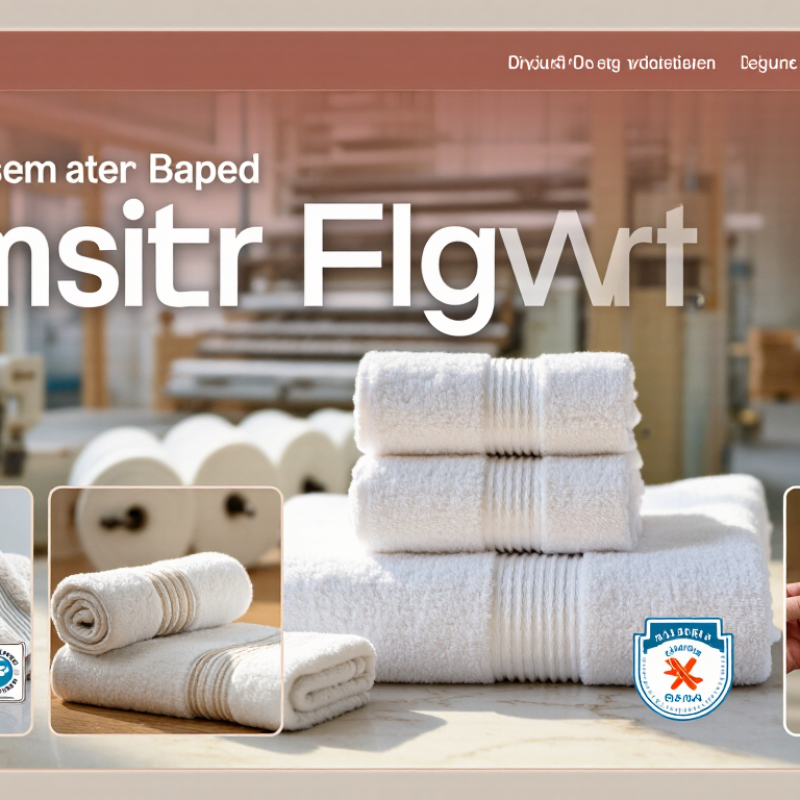
China’s hotel towel market is often judged by GSM, but weight alone cannot prove performance. The 400–700 GSM range remains practical for many hotels. Towels near 400 GSM dry faster and suit high-turnover bathrooms. Products near 600–700 GSM feel fuller, but they need more drying space and energy. Textile Exchange’s Materials Market Report 2024 estimated global fiber production at 124 million tonnes in 2023. Cotton accounted for roughly one-fifth of that volume, supporting its continuing role in hotel textiles.
Cotton quality requires closer inspection. Buyers should request fiber composition, staple length, yarn construction, absorbency, colorfastness, shrinkage, and pilling results. ISO 3801 and ASTM D3776 provide recognized methods for measuring fabric mass per unit area. A reliable supplier should provide test records from an independent laboratory, not only a product sample. Check the wash results. Towels can feel soft before laundering and become rough afterward. That detail is easy to miss.
For daily hotel use, combed or ring-spun cotton usually offers a better balance between softness and durability. However, “100% cotton” does not guarantee premium performance. The cotton origin, fiber length, twist, and finishing process still matter. Some specifications look impressive but lack repeatable test evidence. Procurement teams should compare at least three production batches before placing a large wholesale order. Mistakes happen, especially when GSM replaces actual laundry testing.
China Top 10 Wholesale Hotel Towel Suppliers?
A reliable supplier ranking should begin with measurable towel performance, not attractive catalog photos. GSM, or grams per square meter, indicates fabric weight and density. A 450–600 GSM towel often balances softness, drying speed, and commercial durability. Higher GSM can feel luxurious, but it may dry slowly in busy hotel laundries. This matters.
ASTM D4772 absorbency testing provides a more practical comparison. Request test results, testing dates, and sample details before ranking suppliers. A towel may absorb well when new but perform differently after repeated washing. Ask for wash-cycle evidence. Supplier experience with hotel laundry conditions also deserves attention. However, test reports alone are not enough; physical samples can reveal loose edges, uneven stitching, or excessive lint.
MOQ and lead time affect purchasing risk. A low MOQ helps smaller hotels test quality before committing to large orders. Confirm whether the quoted MOQ applies to each color, size, or full order. Lead times should include production, inspection, packing, and shipping preparation. Suppliers offering clear schedules appear more reliable, though delays can still happen. Build a realistic buffer.
Tips: Compare identical sizes and colors. Record GSM, ASTM D4772 results, MOQ, and lead time in one table. Wash samples at least three times. Check shrinkage and edge strength. A cheaper offer is not always cheaper after replacement costs.
China Top 10 Wholesale Hotel Towel Suppliers?
The top ten Chinese hotel towel suppliers should be compared through measurable performance, not attractive catalogs. Key metrics include cotton content, GSM, absorbency, edge stitching, minimum order quantity, lead time, and export experience. A practical shortlist should also review factory capacity, quality-control records, sample consistency, and packaging standards. In hotel projects, towels around 450–650 GSM often balance softness, drying speed, and durability. However, the best weight depends on laundry equipment and guest expectations.
Suppliers with strong scores usually provide pre-production samples, clear specifications, and inspection support before shipment. Check whether the quoted price includes weaving, dyeing, embroidery, individual packing, or inland delivery. These details can change the real cost. Ask for wash-test results after repeated commercial laundering. One supplier may offer excellent softness, yet lose shape after twenty cycles. Another may have a higher price but fewer replacements. That difference deserves attention.
Tips: Request samples from three to five shortlisted suppliers. Measure size, weight, shrinkage, colorfastness, and drying time. Confirm the exact cotton blend in writing. Visit the factory when possible, or arrange an independent inspection. Do not rely only on website photos. A small mistake in GSM or size can affect thousands of rooms. The ranking may also change after testing, which is an important limitation.
When comparing China’s top 10 wholesale hotel towel suppliers, certification checks should guide your shortlist. OEKO-TEX Standard 100 confirms that tested textile components meet limits for harmful substances. Request the certificate number, product class, issuing institute, and validity date. A certificate covering yarn only may not cover finished towels.
ISO 9001 shows that a supplier operates a documented quality management system. It does not guarantee every towel will be perfect. Ask for inspection records, production tolerances, and corrective-action reports. Check details such as towel weight, size, absorbency, stitching, and shrinkage after washing. A practical sample test can reveal more than a polished presentation. White towels should remain even after repeated hot washes.
BSCI relates to social compliance and working conditions across the supply chain. Request the latest audit result, facility address, audit scope, and follow-up evidence. Verify that the report matches the factory producing your order, not only a trading office. I have found this distinction easy to overlook. It can create weak purchasing decisions. Also confirm whether subcontractors are used, especially for dyeing and finishing. Reliable suppliers answer clearly and share traceable documents. Some replies may feel incomplete. Treat that discomfort as useful evidence, not an inconvenience. Keep written records, compare certificates independently, and reassess compliance before each major order.
Choosing among China’s top ten wholesale hotel towel suppliers requires more than comparing catalog photos. Cotton origin, yarn quality, GSM, and loom consistency affect guest comfort and replacement rates. Ask for factory audits, test reports, and recent hospitality references. A credible supplier should explain absorbency, colorfastness, shrinkage, and washing performance clearly. Vague answers deserve caution.
MOQ can range from a few hundred pieces to several thousand. Confirm whether it applies per size, color, or complete order. Custom embroidery, woven labels, borders, and packaging usually increase MOQ and lead time. Request physical samples before approving production. Compare weight, hand feel, stitching, and dimensions after three wash cycles. One sample may mislead you. Testing several pieces is safer.
Pricing should include towel cost, customization, cartons, inland transport, export documentation, and freight terms. Ask for tiered quotations and clarify excluded taxes, inspections, and insurance. For logistics, confirm production days, port options, carton measurements, and loading plans. A pre-shipment inspection can catch uneven hems or shade differences. I once underestimated carton volume, and freight erased the expected savings. Build a buffer for delays around factory holidays. Keep every specification in a signed purchase document, including tolerances and replacement terms.
Towels from 400 to 700 GSM suit many hotel operations. Around 400 GSM dries faster in busy bathrooms. Higher GSM feels fuller but uses more drying space and energy.
No. Weight alone cannot prove towel performance. A lighter towel may dry faster and reduce laundry costs. GSM is only one clue.
Check fiber composition, staple length, yarn construction, and finishing methods. Also review absorbency, colorfastness, shrinkage, and pilling results. “100% cotton” is not enough.
Request several physical samples, not just one piece. Wash them three times before approval. Measure softness, dimensions, stitching, absorbency, and surface changes afterward. One sample can mislead you.
Ask for recent independent laboratory records and production-batch results. The documents should match the proposed towel specifications. Samples without test evidence deserve caution.
Compare at least three production batches before placing a large order. Check color shade, towel weight, dimensions, hems, and stitching. Small differences become obvious in large hotel orders. Mistakes happen.
Confirm whether the minimum applies per size, color, or complete order. Custom embroidery, labels, borders, and packaging may increase the quantity. They may also extend production time.
Review towel prices, customization, cartons, inland transport, documentation, and freight terms. Clarify taxes, inspections, insurance, and excluded charges. Carton volume can erase expected savings. Leave room for delays.
China’s hotel towel market offers a broad range of wholesale options, with 400–700 GSM commonly used to balance softness, durability, absorbency, and drying speed. This guide explains how to compare the top 10 Chinese suppliers using practical criteria such as cotton quality, GSM accuracy, ASTM D4772 absorbency performance, minimum order quantity, production capacity, and lead time. It also highlights important certifications, including OEKO-TEX Standard 100, ISO 9001, and BSCI, which can help buyers evaluate product safety, quality management, and responsible manufacturing practices.
For buyers sourcing Wholesale Hotel Towels, the article provides a practical checklist covering MOQ negotiation, custom sizes and embroidery, packaging, sample approval, pricing structure, factory communication, and shipping arrangements. It encourages purchasers to verify specifications through physical samples, written quotations, quality inspections, and clear delivery terms before placing large orders. This approach supports reliable purchasing decisions for hotels, resorts, spas, distributors, and hospitality projects.