Discover expert articles, industry trends, and strategic advice for wholesale buyers, private label brands, and fashion retailers.
In the competitive landscape of private label activewear, understanding the best manufacturers is crucial. Experts in the field, like Jane Harper, a leading consultant in activewear branding, emphasize the importance of quality and reliability. She states, "Choosing the right manufacturer can make or break your brand in the private label activewear market."
China has emerged as a key player in this industry, offering a range of options for businesses looking to enter this vibrant market. The private label activewear sector continues to grow, driven by rising consumer demand for fitness apparel. It's essential to identify manufacturers that provide not only quality products but also timely production and responsive communication.
However, selecting the right partner can be complex. There are many factors to consider. Brands must assess a manufacturer’s reputation, capabilities, and ethical standards. It's not just about price; quality and reliability are vital. This journey requires careful research and reflection, often leading to unexpected challenges. Navigating these waters can be daunting, but with the right guidance, brands can successfully thrive in the private label activewear market.
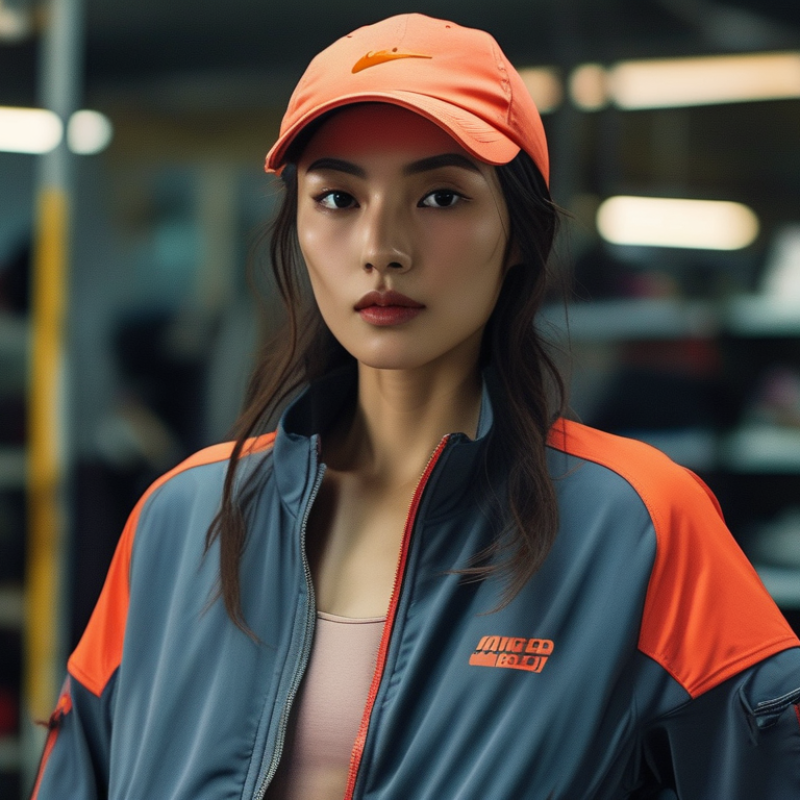
China's private label activewear market has seen significant growth recently. According to a report from ResearchAndMarkets, the activewear segment in China is projected to reach approximately $52 billion by 2024. This surge reflects a rising consumer interest in fitness and wellness trends. The expansion is evident in the increasing variety of products designed for different sports and personal preferences.
Manufacturers in China have adapted swiftly to these trends, offering customized solutions for international brands. They utilize advanced manufacturing technologies and sustainable materials. Industry surveys highlight a preference for eco-friendly fabrics, with 60% of consumers willing to pay more for sustainability. However, challenges remain. Issues like quality control and supply chain consistency persist. Companies must also navigate the complexity of international trade regulations. Despite these hurdles, the potential for growth in the private label activewear sector is undeniable.
As competition rises, brands must reflect on their strategies. They should evaluate supplier partnerships and explore innovative designs. Balancing cost-efficiency with quality will be crucial. The market landscape remains dynamic, offering both opportunities and challenges. With a careful approach, brands can leverage the strengths of Chinese manufacturers for mutual success.
When selecting a private label activewear manufacturer, several key factors must guide your decision. Industry experience is crucial. Look for manufacturers with a proven track record in activewear. They should understand fabric technology and production processes. Reliable manufacturers will offer insight into the latest trends and innovative designs, helping your brand stay competitive.
Quality assurance is another vital aspect. Examine the manufacturer’s quality control measures. They should conduct rigorous testing on materials and finished products. Collaboration with reliable suppliers for fabrics also reflects their commitment to quality. Verifying certifications can reveal their adherence to safety and ethical standards.
Communication plays a significant role throughout the manufacturing process. A responsive partner fosters collaboration and allows for adjustments during production. Engaging with multiple manufacturers can be enlightening. Comparing their responsiveness and willingness to share knowledge can help pinpoint the best match. Reflect on your priorities and how each manufacturer aligns with your vision.
When considering private label activewear manufacturing in China, several key players stand out. These manufacturers specialize in producing high-quality apparel tailored to various athletic needs. They offer a diverse range of products from leggings to sports bras, ensuring options for every consumer. The market is highly competitive, and manufacturers strive for innovation and sustainability in their offerings. It's essential to focus on those who prioritize quality control and ethical labor practices.
In addition to production capabilities, research these companies' design proficiency. Many have in-house designers who can help with custom branding. Finding a manufacturer with a strong track record is crucial. Look for partnerships that yield positive reviews and case studies. However, it is vital to understand limitations and challenges, like communication barriers and supply chain issues. Finding the right balance can be difficult, but it's worth the effort to ensure a successful partnership.
Ultimately, the choice of a manufacturer should align with your brand's values and goals. Engage in detailed discussions about your requirements, and don't hesitate to ask tough questions. A reliable partner will value transparency and collaboration, crucial in the private label business.
When considering private label activewear manufacturers in China, it's essential to evaluate their manufacturing capabilities and product offerings. Many manufacturers specialize in different aspects of activewear, such as fabrics, designs, and functionality. Some focus on high-performance materials, while others may prioritize fashionable aesthetics. Understanding these distinctions can help in finding the right partner for specific needs.
Quality control is a critical factor. Some manufacturers have robust quality assurance processes, often employing advanced technologies. Others may struggle with consistency, leading to discrepancies in the final products. This inconsistency can impact brand reputation. It's crucial to assess each manufacturer’s ability to meet specific quality standards and timelines.
Product offerings vary widely among manufacturers. Some specialize in yoga wear, while others may produce gym apparel or athleisure. This specialization can affect not just the style but also the durability of the garments. Additionally, limited options in sizing or color choices can pose challenges. Researching the breadth of a manufacturer’s product range can reveal valuable insights into their capabilities.
The activewear market in China is buzzing with innovation. Many manufacturers are focusing on sustainable materials. This shift reflects growing environmental awareness among consumers. New technologies like moisture-wicking fabrics are becoming standard. These materials enhance comfort and performance. Activewear is evolving beyond just functionality.
Customization is another key trend. Consumers want personalized options that reflect their style. Brands now offer mix-and-match pieces. This strategy boosts customer engagement and loyalty. However, challenges remain. Production costs can be higher for customized items. Balancing quality and affordability is crucial for manufacturers.
Wearable technology is also gaining traction. Integrating smart features into activewear can track fitness metrics. This trend excites tech-savvy consumers. Yet, there are concerns about data privacy. Manufacturers need to address these issues. Ensuring security will build consumer trust. The landscape is dynamic, and brands must adapt swiftly.
| Manufacturer | Annual Revenue (Estimated) | Product Range | Export Markets | Sustainability Practices |
|---|---|---|---|---|
| Manufacturer A | $50 Million | Yoga Wear, Gym Apparel | USA, Europe, Asia | Recycled Materials |
| Manufacturer B | $70 Million | Running Gear, Sports Bra | North America, Australia | Eco-friendly Fabrics |
| Manufacturer C | $45 Million | Fitness Accessories, Swimwear | Europe, Latin America | Carbon Neutral Certification |
| Manufacturer D | $60 Million | Compression Wear, Hiking Equipment | Asia, Middle East | Waste Reduction Initiatives |
| Manufacturer E | $55 Million | Team Sports Apparel, Casualwear | Africa, Europe | Water Conservation Efforts |
| Manufacturer F | $65 Million | Athletic Footwear, Accessories | Global (Multiple Regions) | Fair Trade Practices |
| Manufacturer G | $40 Million | Outdoor Gear, Sportswear | Asia, North America | Biodegradable Materials |
| Manufacturer H | $75 Million | Yoga Equipment, Lifestyle Apparel | Europe, USA | Social Responsibility Programs |
| Manufacturer I | $30 Million | Cycling Apparel, Fitness Gear | Asia, Australia | Ethical Sourcing |
| Manufacturer J | $35 Million | Athletic Apparel, Casual Wear | North America, Europe | Sustainable Production Methods |
: Rising consumer interest in fitness and wellness trends is a major factor. The market is projected to reach $52 billion by 2024.
Yes, 60% of consumers are willing to pay more for sustainable fabrics. This reflects a growing preference for environmentally friendly products.
Manufacturers deal with quality control issues and supply chain consistency. Navigating international trade regulations can also be complex.
Innovation is essential. Brands must evaluate their strategies and explore new designs to stay competitive and meet consumer demands.
Companies should prioritize quality control, ethical labor practices, and strong design capabilities. Communication barriers can be problematic too.
Engage in detailed discussions about requirements. Asking tough questions is essential for transparency and collaboration in the partnership.
Maintaining cost-efficiency while ensuring quality is vital for long-term success in a highly competitive market.
Manufacturers provide a range of products, including leggings, sports bras, and custom apparel tailored to athletic needs.
Yes, finding the right manufacturer can lead to positive outcomes, but understanding limitations is necessary. It requires careful consideration.
Brands need to reflect on their strategies regularly and be open to innovation to leverage market dynamics effectively.
The article provides a comprehensive overview of the private label activewear industry in China, highlighting its growth and significance in the global market. It discusses key factors to consider when selecting a private label manufacturer, such as production capabilities, quality control, and communication efficiency. The piece features a list of the top 10 private label activewear manufacturers in China, comparing their manufacturing abilities and product offerings to help businesses make informed decisions.
Additionally, the article addresses current trends and innovations within China's activewear market, showcasing how manufacturers are adapting to evolving consumer preferences and technological advancements. This summary underscores the potential of private label activewear as a viable option for brands seeking high-quality products tailored to their specifications, reflecting the dynamic nature of the industry.