Discover expert articles, industry trends, and strategic advice for wholesale buyers, private label brands, and fashion retailers.
Why Choose Wholesale Marathon Clothes for Your Business?
Marathon clothing serves a demanding audience. Runners need comfort, visibility, durability, and reliable sizing across long distances. Wholesale Marathon Clothes can help retailers, race organizers, gyms, and community clubs meet these needs with consistent inventory. Bulk purchasing may also reduce unit costs, making room for healthier margins or more accessible event pricing.
Sportswear sourcing consultant Dr. Maya Chen explains, “The best marathon apparel supports performance first, while giving every runner a clear sense of belonging.” This principle matters when selecting shirts, shorts, jackets, caps, and recovery layers. Moisture-wicking fabrics can keep runners more comfortable. Flat seams may reduce irritation. Reflective details can improve visibility during early-morning training. Yet specifications alone do not guarantee quality. A soft shirt can still lose shape after several washes.
Wholesale purchasing also supports visual consistency. A coordinated color palette can strengthen a race identity across volunteers and participants. It can make group photographs more recognizable. Businesses may customize garments with approved logos, event dates, or sponsor placements. However, customization requires careful sampling. Small errors in color, print position, or sizing can become expensive across hundreds of pieces.
A thoughtful supplier should provide fabric details, size charts, production timelines, and sample approval. Reliable communication matters when an event date cannot move. Businesses should also examine return policies and quality-control procedures. The cheapest order may not be the wisest one. Sometimes, paying slightly more prevents complaints, replacements, and damaged trust.
Wholesale Marathon Clothes are not merely promotional products. They are practical tools for comfort, identity, and customer experience. The choice deserves evidence, testing, and a little humility. No supplier gets every detail perfect.
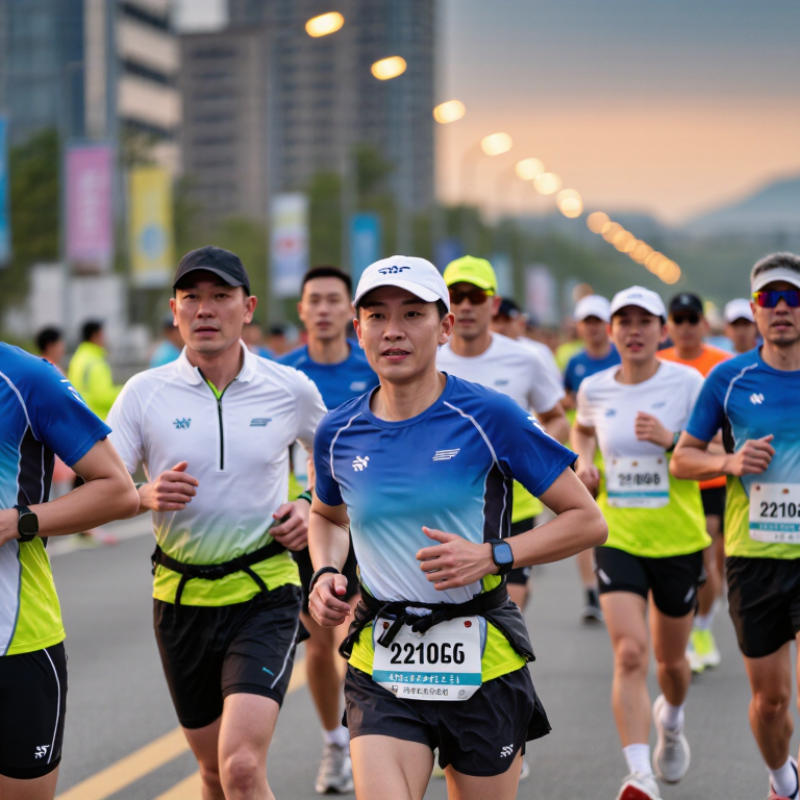
Wholesale marathon clothes usually include lightweight singlets, technical T-shirts, running shorts, leggings, windbreakers, socks, caps, and warm-up layers. Some suppliers also provide custom race kits with printed numbers, reflective details, and team colors. Good garments should manage sweat, dry quickly, and remain comfortable during long hours of movement. Fabric weight matters too. A thin shirt may feel excellent in heat but offer little warmth before dawn.
Race organizers are major buyers, especially when they need matching apparel for hundreds of participants. Running clubs order coordinated kits for training and race days. Gyms, sports retailers, charity groups, schools, and company teams also purchase in bulk. Their needs differ. A retailer may request several sizes and neutral colors, while an event organizer may prioritize fast packing and consistent printing.
In my experience, a careful buyer checks more than the unit price. Ask for fabric specifications, size measurements, stitching photos, sample garments, and a clear production schedule. Wash testing can reveal fading or loose seams before a large order is placed. It is easy to overlook smaller sizes and inclusive fits. That mistake can leave runners uncomfortable on race day. No supplier gets every detail perfect, so written approvals and sample checks remain useful. Bulk clothing works best when comfort, durability, and delivery reliability are considered together.
Common items include singlets, technical shirts, running shorts, leggings, socks, caps, and windbreakers. Warm-up layers may also be included. Some packages contain printed numbers, reflective details, and matching colors. Thin shirts suit hot weather but may feel cold before sunrise.
Race organizers often order matching clothing for hundreds of participants. Running clubs, gyms, schools, retailers, charity groups, and company teams also buy in volume. Their priorities differ. Retailers may need many sizes and neutral colors. Organizers may value fast packing and consistent printing.
Request fabric details, size measurements, stitching photos, samples, and a production schedule. Inspect seams, hems, zippers, and reflective details under bright light. Look for loose threads. Small faults become race-day complaints. Do not rely on photos alone.
Runners should test samples during real movement, not only while standing. Check chest, waist, inseam, sleeve length, and shoulder comfort. Shorts need secure waistbands and room for long strides. A shirt can look good on a model but rub after ten kilometers. Fit can deceive.
Lightweight polyester can dry quickly and support extended movement. Mesh panels may improve airflow around warm areas. Fabric should feel smooth, flexible, and breathable. Check whether colors remain stable after repeated washing. Material choice still depends on weather and layering needs.
Check print clarity, artwork placement, stitching, and color consistency. Request a digital proof and a physical sample before production. Keep approved measurements and artwork in writing. Small corrections may still be needed. Production rarely matches the first expectation perfectly.
Wash sample garments according to their care instructions. Check fading, shrinking, loose seams, shape changes, and damaged prints. Examine the clothing again when fully dry. One wash is helpful, but repeated washing reveals more. I would not treat one successful test as final proof.
Bulk clothing can reduce costs while creating consistent event or team appearances. It also supports retailers and organized training programs. However, a low unit price means little if garments lose shape quickly. Comfort, durability, fit, and delivery reliability must be considered together. A perfect plan is unlikely.
Wholesale Marathon Clothes offer businesses a practical way to meet the needs of runners, event organizers, sports clubs, retailers, and corporate wellness programs. These products may include performance shirts, shorts, jackets, leggings, singlets, hats, and other race-ready accessories. By purchasing in bulk, businesses can maintain reliable inventory, respond to seasonal demand, and provide coordinated apparel for races, training groups, or promotional activities. Bulk purchasing can also reduce the average unit cost, improve pricing flexibility, and create stronger profit opportunities when products are selected and managed carefully.
When evaluating Wholesale Marathon Clothes, buyers should consider fabric breathability, moisture management, durability, stretch, colorfastness, sizing consistency, and overall comfort. It is also important to review available customization options, such as colors, logos, labels, and packaging, while confirming production timelines and minimum order quantities. A dependable supplier should offer clear product specifications, consistent quality control, transparent pricing, responsive communication, and reliable delivery. Comparing samples, reviewing terms, and testing fit before placing a large order can help businesses make confident decisions and build a product range that satisfies customers.